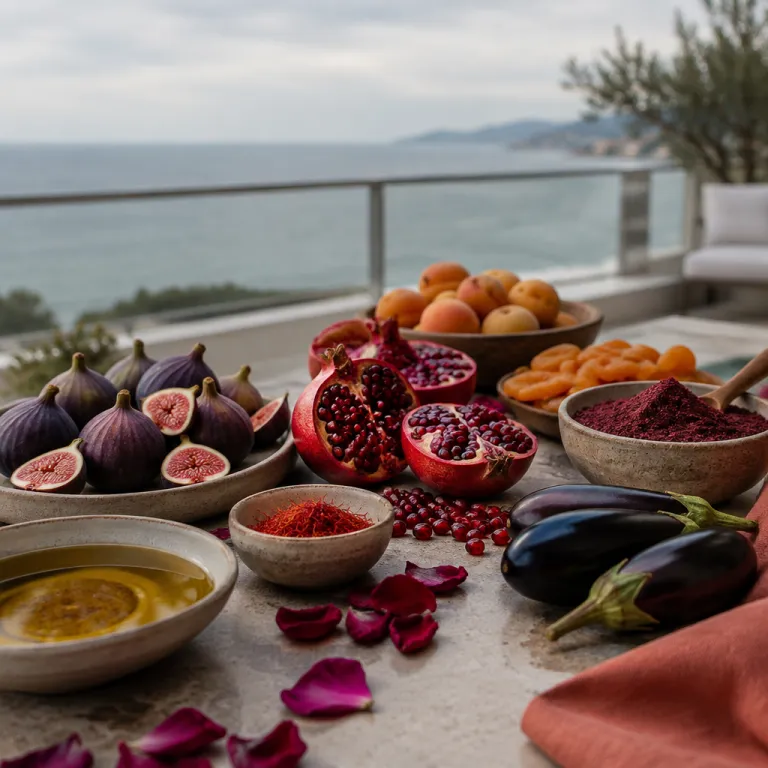
What Turkish cuisine is for luxury travellers in Turkey
Understanding the foundations of Turkish cuisine helps you read every hotel menu with confidence. In luxury properties across Turkey, food becomes cultural storytelling, with each course presented as part of a wider narrative about land, season, and memory. When you plan a premium stay, knowing the basics of Turkish food lets you choose experiences that feel both refined and deeply traditional.
At its heart, Turkish cooking balances meat, grains, and vegetables, with olive oil and yogurt shaping textures and flavours. In Istanbul and along the coasts of Turkey, you will see grilled lamb and lamb–beef combinations, slow cooked stews, and ground meat shaped into kofte alongside colourful salads dressed with lemon and red pepper flakes. These Turkish dishes are usually served with warm bread, rice, and seasonal vegetables, creating a table that feels generous yet carefully composed.
Luxury hotels in Turkey curate Turkish food as part of their identity, from elaborate Turkish breakfast spreads to tasting menus of regional dishes Turkish chefs reinterpret. You might start the day with cheeses, olives, tomatoes, cucumbers, eggs cooked to order, and fresh bread, then finish the evening with lamb or minced meat kebab and a final Turkish coffee. In properties such as the Çırağan Palace Kempinski or the Four Seasons Hotel Istanbul at the Bosphorus, chefs often describe the menu as a “journey through Anatolia,” and appreciating Turkish cuisine in this context means recognising how each dish, from lentil soup to stuffed vegetables, reflects a specific region, climate, and history.
Regional flavours: from Istanbul classics to Black Sea tables
As you explore the culinary landscape of Turkey, regional diversity becomes impossible to ignore. Istanbul acts as a grand stage where dishes from every corner of the country are cooked side by side, allowing luxury hotel restaurants to curate menus that move from Aegean olive oil dishes to hearty Black Sea plates in a single evening. For travellers, this means you can taste multiple culinary identities without ever leaving your chosen district.
On the Black Sea coast, Turkish food leans towards corn, anchovies, and lush green vegetables, often cooked with butter rather than only olive oil. In contrast, southeastern regions inspire intensely spiced kebab variations such as adana kebab, where minced meat is shaped around skewers and grilled over charcoal, then served with rice, grilled vegetables, and flatbread. Many high end Istanbul hotels now highlight these regional Turkish dishes through rotating menus, chef residencies, or special Anatolian tasting nights; for example, chefs at Raffles Istanbul and The St. Regis Istanbul have hosted seasonal Black Sea and Gaziantep themed weeks that showcase corn bread, hamsi (anchovy) pilaf, and pistachio rich desserts.
If you want to go deeper into local flavours beyond Istanbul’s greatest hits, look for hotel concierges who partner with regional chefs and food writers. Some luxury booking platforms in Turkey now highlight stays that include curated dining routes and reservations at restaurants featured in guides such as the Michelin Guide and Gault&Millau, as well as editorial resources like Anatolian tables and regional dining beyond Istanbul. This approach lets you taste Turkish cuisine as a living map, where each dish, from Black Sea corn bread to southeastern kebab, becomes a waypoint in your journey.
From street food to fine dining: how hotels frame Turkish dishes
Many travellers first encounter Turkish flavours when they see a doner kebab stand or smell grilled meat on a busy Istanbul street. Luxury hotels in Turkey now reinterpret these familiar Turkish dishes in elegant settings, allowing guests to enjoy the same flavours with refined service, thoughtful wine pairings, and precise cooking. This bridge between street food and fine dining is central to how premium properties express local identity.
Take doner kebab and adana kebab as examples, both rooted in ground meat or minced meat shaped and cooked over heat. In a high end restaurant, the same kebab dish might be served with smoked yogurt, tomato paste reductions, and vegetables roasted in olive oil, turning everyday Turkish food into a composed plate. Some chefs even present kofte as a tasting of regional styles, pairing each meatball with different bread, rice, or lentil soup garnishes to show how one traditional Turkish idea can travel across Turkey; at Mikla in Istanbul, for instance, chef Mehmet Gürs has long experimented with Anatolian ingredients in tasting menus that echo this approach.
Beyond kebab culture, luxury hotels increasingly invest in culinary storytelling through chef’s tables, open kitchens, and collaborations with local producers. In Cappadocia and other cultural hubs, some properties pair tasting menus of Turkish cuisine with art exhibitions and museum visits, a trend explored in depth in features about Cappadocia’s evolving cultural stays. When you book through a premium platform, look for packages where Turkish food is not just cooked and served, but framed as part of a wider cultural experience.
Breakfast rituals, meze tables, and the rhythm of the Turkish day
To truly understand everyday eating in Turkey, you need to experience the full rhythm of a Turkish breakfast in a luxury hotel. Morning tables often stretch across several plates, with cheeses, olives, tomatoes, cucumbers, eggs, honey, jams, and fresh bread all served at once. In premium properties, this traditional Turkish ritual becomes an unhurried experience, sometimes extending onto terraces with Bosphorus or Aegean views and the sound of clinking tea glasses. 
Throughout the day, Turkish tea and Turkish coffee shape social pauses, and luxury hotels now design dedicated lounges for these drinks. You might sip Turkish tea with a small piece of Turkish delight in the afternoon, then finish dinner with thick, foamy Turkish coffee served alongside a delicate sweet or even a small scoop of ice cream. These details help answer what Turkish cuisine is for travellers who value atmosphere as much as flavour, because they show how food and drink structure daily life in Turkey.
Evening meals often begin with meze, small dishes Turkish hosts share across the table, which might include stuffed vegetables, cheese plates, and olive oil based vegetables cooked until tender. Lentil soup, grilled lamb, or lamb–beef stews follow, with rice and bread anchoring the meal and yogurt based sides cooling the palate after bites of red pepper spiced meat. When you choose a luxury hotel, ask how they present meze and Turkish dishes in their main restaurant, because this is where you will feel the hospitality culture most clearly.
Ingredients, techniques, and how hotels curate Turkish food
Another way to grasp the character of Turkish cuisine involves looking closely at ingredients and cooking methods. Turkish food relies heavily on olive oil, tomato paste, fresh vegetables, and herbs, with meat used both as whole cuts and as minced meat or ground meat in stews and grills. In luxury kitchens, chefs emphasise provenance, highlighting lamb from specific highland pastures or vegetables sourced from nearby farms in Turkey.
Stuffed vegetables, known as dolma, illustrate how technique defines Turkish cuisine, as rice, herbs, and sometimes minced meat are carefully wrapped in vine leaves or peppers and slowly cooked. The same care appears in oven cooked lamb dishes, where meat is sealed with tomato paste, red pepper, and yogurt based marinades, then served with rice and bread to soak up the juices. Many premium hotels now offer cooking classes where guests learn to prepare lentil soup, kofte, or a classic stuffed dish, turning passive dining into an active cultural experience.
Wellness focused properties also connect traditional Turkish eating patterns with longevity and health, emphasising olive oil rich vegetables, grilled fish, and balanced Turkish breakfast spreads. Some of these hotels integrate medical spa programs with nutrition plans inspired by regional Turkish dishes, a trend analysed in depth in features on Turkey’s new generation of wellness and longevity spas. When booking, look for menus that clearly label regional Turkish dishes and explain how they are cooked, because this transparency signals both culinary seriousness and respect for guests’ curiosity.
Planning culturally rich stays through Turkish cuisine experiences
For many guests, the most meaningful insight into Turkish cuisine comes from curated experiences rather than single meals. Luxury and premium hotel booking platforms in Turkey increasingly highlight stays that include market tours, guided tastings of Turkish food, and private dinners focused on regional dishes Turkish chefs rarely serve in mainstream restaurants. This shift reflects a broader trend where travellers want food to be a lens on culture, not just a service.
When comparing hotels, pay attention to how they integrate Turkish tea, Turkish coffee, and Turkish delight into daily rituals, because these small gestures reveal how seriously they take local identity. Some properties offer sunset tea ceremonies, Turkish coffee fortune reading sessions, or dessert tastings pairing ice cream with classic Turkish dishes such as künefe or baklava, both rich with cheese, syrup, and nuts. Others design full day itineraries that move from a Turkish breakfast on a terrace to a street level doner kebab tasting, then on to a refined lamb or adana kebab dinner with wine pairings.
Thoughtful concierges can also arrange visits to family run restaurants where lentil soup simmers all day, bread is baked in stone ovens, and vegetables are cooked slowly in olive oil, giving you a grounded sense of Turkish food culture beyond hotel walls. As you plan, use booking filters and hotel descriptions to identify properties that emphasise traditional Turkish cooking, regional ingredients, and partnerships with local producers. These details ensure that every dish, from a simple rice pilaf to a complex stuffed vegetable platter, becomes part of a coherent cultural journey through Turkey.
Key statistics about Turkish cuisine and travel
- Surveys cited by the Turkish Ministry of Culture and Tourism indicate that a substantial share of international visitors now list Turkish food as a primary motivation for choosing Turkey, placing cuisine alongside heritage sites and coastal resorts as a top travel driver. The ministry’s 2022 “Tourism Expectations and Satisfaction Survey” reported that roughly one in three respondents mentioned local gastronomy as a key factor in destination choice.[1]
- Research by the World Food Travel Association suggests that food motivated travellers typically spend noticeably more per trip on dining and culinary experiences, a pattern that aligns with the rise of luxury Turkish cuisine focused packages in major destinations such as Istanbul, Cappadocia, and the Aegean coast. The association’s 2020 “Food Travel Monitor” found that dedicated culinary travellers spend about 25% more on food and drink than the average tourist.[2]
- UNESCO recognises Turkish coffee culture and tradition as Intangible Cultural Heritage, and surveys by Turkish tourism boards show that a large majority of visitors try Turkish coffee at least once during their stay, often in hotel lounges or fine dining restaurants. According to a 2021 Istanbul tourism report, more than 80% of surveyed visitors sampled Turkish coffee during their trip.[3]
- Industry reports on wellness tourism in Turkey highlight that spa and medical wellness travellers allocate a significant share of their budget to healthy dining, encouraging luxury hotels to expand menus of olive oil based vegetables, grilled fish, and balanced Turkish breakfast offerings. The Global Wellness Institute’s 2023 update on wellness tourism notes that food and beverage can account for 20–30% of total trip spending in this segment, a pattern echoed in Turkish spa resort data.[4]
FAQ about Turkish cuisine for luxury travellers
What is Turkish cuisine in simple terms for travellers
Turkish cuisine is a diverse culinary tradition that combines grilled and stewed meat, rice, vegetables, olive oil dishes, and rich use of yogurt, herbs, and spices. It reflects influences from the Ottoman Empire, Central Asia, the Mediterranean, and the Middle East, all adapted to local ingredients in Turkey. For travellers, this means you can expect generous shared tables, slow cooked stews, and refined versions of street favourites such as kebab and kofte in luxury hotels.
What should I try first in a luxury hotel to understand Turkish food
A full Turkish breakfast is often the best starting point, because it brings together cheeses, olives, tomatoes, cucumbers, eggs, jams, honey, and fresh bread in one sitting. Follow this with a classic lentil soup, grilled lamb or adana kebab, and a selection of meze such as stuffed vegetables and olive oil based dishes. Finish with Turkish coffee and Turkish delight to experience the traditional arc of a meal in Turkey.
Is Turkish cuisine suitable for vegetarians and wellness focused travellers
Yes, Turkish cuisine offers many vegetarian and plant forward options, especially olive oil cooked vegetables, lentil soup, stuffed vine leaves with rice and herbs, and salads built around tomatoes, cucumbers, and fresh herbs. Wellness oriented hotels in Turkey often highlight these dishes alongside grilled fish and lighter meat options. When booking, look for menus that clearly label vegetarian and vegan Turkish dishes and emphasise seasonal produce.
How do luxury hotels in Turkey elevate traditional Turkish dishes
Luxury hotels refine traditional Turkish recipes through ingredient sourcing, precise cooking, and thoughtful presentation, without losing the essence of the original dish. Chefs might use single origin olive oil, pasture raised lamb, or artisanal bread, and pair them with regional wines or modern plating. Many properties also offer chef’s tables, tasting menus, and cooking classes that explain the history and techniques behind each Turkish dish.
Where can I experience regional Turkish cuisine while staying in major cities
In Istanbul and Ankara, many high end restaurants and hotel dining rooms specialise in regional Turkish cuisine from the Black Sea, southeastern Anatolia, and the Aegean. Concierges can secure reservations at places that focus on specific areas, such as Black Sea corn and anchovy dishes or southeastern kebab and meze traditions. Some luxury booking platforms also curate itineraries that combine city stays with day trips or short flights to regional food hubs across Turkey.