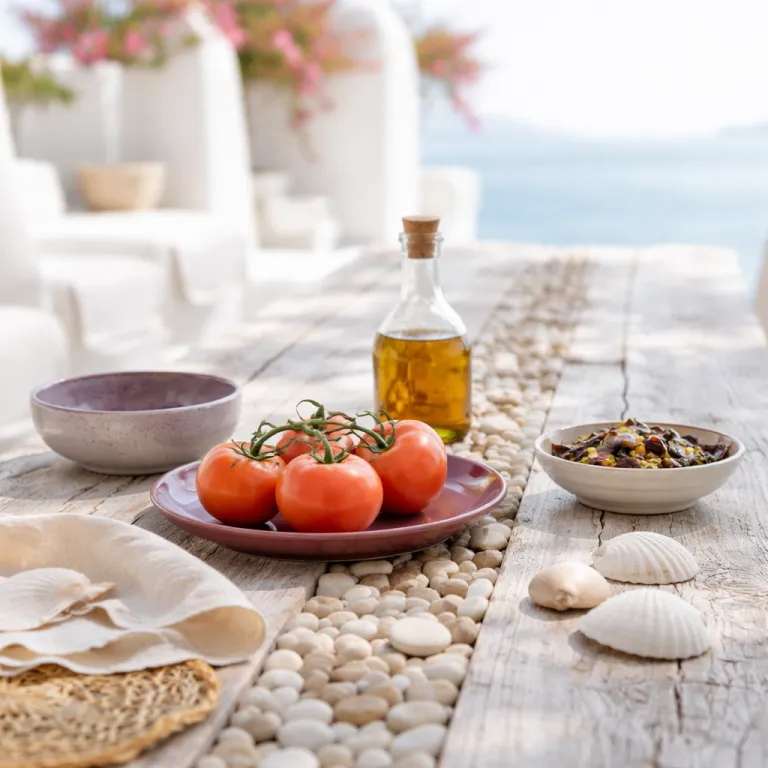
The new language of Aegean cuisine in Turkey’s luxury hotels
Along Turkey’s Aegean shoreline, hotel dining rooms are quietly redefining what coastal luxury means. In the best properties, chefs treat the region as a pantry of wild greens, olive oil and day boat fish, then plate those ingredients with quiet confidence and almost Nordic precision. For travelers choosing a hotel in Turkey, the promise is simple yet powerful: your room key now unlocks a serious dining experience, not just a convenient restaurant downstairs, with menus that increasingly read like curated guides to Aegean cuisine rather than generic resort fare.
Across the Turkish Aegean coast, from Bodrum to Çeşme, the focus has shifted from heavy sauces to clean flavors that let seafood and vegetables speak. Contemporary Aegean cooking here leans on zeytinyağlı dishes, those olive oil based preparations of beans, artichokes and peppers that arrive cool, glistening and intensely aromatic, often forming the backbone of both casual venues and fine hotel restaurant bars. When you book hotel suites in this part of Turkey, you are increasingly booking proximity to chefs who work directly with cooperatives, fishermen and village producers, turning the property into a gateway to the wider Aegean region and its evolving food culture.
Luxury travelers once flew into the nearest international airport, transferred straight to a beach resort and treated the hotel restaurant as a backup plan. That logic no longer holds along the Turkish Aegean, where a seafood venue inside a serious hotel can rival the best standalone fish restaurant in town and often surpass it in service and wine curation. Upscale coastal dining rooms now compete on atmosphere as much as on food: candlelit terraces over the Aegean Sea, low music, and a service style that blends classic hospitality with a relaxed, barefoot edge, especially at properties that treat their restaurant as a destination for both guests and locals.
Bodrum’s hotel tables: from Michelin stars to barefoot sea bass
Bodrum has become the clearest expression of how high-end Aegean dining can live inside hotels without feeling captive or generic. On the Yalıkavak side of the peninsula, the Bodrum EDITION’s Kitchen restaurant has emerged as a reference point, widely covered in international guides and local food media as proof that a hotel dining room can be a destination for residents as much as for guests. In the 2023 and 2024 seasons, Turkish food writers repeatedly cited Kitchen in roundups of the country’s most interesting hotel restaurants, noting its balance of polished service and relaxed energy.
Here the atmosphere is polished but not stiff, with grilled sea bass, slow cooked fish and vegetable courses that show what happens when a chef takes the Aegean coast’s ingredients and applies international technique. A typical meal might move from marinated sea bass crudo with citrus and fennel to charcoal grilled octopus over smoked eggplant, then to slow braised Aegean greens finished with local olive oil, each plate emphasizing texture and salinity rather than heavy sauces. Portions are designed for sharing, and staff are trained to suggest Turkish Aegean wines by the glass so guests can taste how different vineyards echo the sea air.
Macakizi, long considered one of the Mediterranean coast’s most influential addresses, still sets the tone for how a beach resort can treat food as seriously as design. Lunch might start with a wide range of zeytinyağlı plates, then move to simply grilled seafood, while the club like energy of the deck and beach club below keeps the mood light rather than reverential. You come for the Aegean Sea views and the chic crowd, but you stay because the delicious food is as carefully edited as the interiors, and because the service team understands both hospitality and pace, often recommending that guests order in stages so dishes arrive in a natural, unhurried flow.
Further along the Bodrum coastline, Kempinski Hotel Barbaros Bay Bodrum runs a trio of restaurants that quietly map the region’s culinary diversity. Olives leans Mediterranean, Mammadrau brings Italian comfort, and Barbarossa focuses on seafood with a particular strength in fish and shellfish from the surrounding waters, making it a natural choice for guests who want a seafood restaurant without leaving the property. Between these hotel venues and the independent places in town, Bodrum now offers great food for travelers who care as much about a thoughtful dining experience as they do about infinity pools and spacious hotel suites; in peak summer, advance reservations of three to seven days are common for prime terrace tables.
Cooperatives, producers and the quiet revolution behind the plate
The most interesting coastal kitchens share a common thread behind the scenes: they are plugged into a network of cooperatives, women’s collectives and small scale producers that give the region’s food its depth. Around Muğla and Akyaka, for example, women’s cooperatives clean, dry and blend wild herbs, while projects such as the Knidia agro initiative work with farmers to keep heirloom varieties of tomatoes, peppers and beans in circulation. In Datça, the Knidos Women’s Cooperative has become known for its preserves and herb mixes, while in Milas, local olive oil cooperatives press early harvest oils that increasingly appear by name on hotel menus.
When these ingredients reach a hotel kitchen, the result is not just delicious food but a dining experience that reflects real places and real people. Chefs along the Turkish Aegean have embraced slow fish principles, favoring line caught species and traditional boiling methods that respect texture and flavor. Instead of defaulting to heavy frying, many restaurants now serve fish gently poached in olive oil with lemon and herbs, or grilled over charcoal in open kitchens that let guests watch every move, often explaining which cove the fish came from and when it was landed.
As one Bodrum based chef explained in a 2022 interview with a local gastronomy magazine, “If the fish was swimming here this morning, our job is mostly to get out of the way and let the Aegean speak.” The tools are simple — wood fired ovens, charcoal grills, a few copper pans — but the effect is transformative, especially when paired with local wines from Urla or Kavaklıdere that highlight the salinity of the Aegean Sea and the minerality of nearby hills. For travelers, this means that choosing a hotel in Turkey’s Aegean region is also a choice about which supply chains you want to support, and how directly your spending reaches small producers.
A property that talks openly about its partnerships with local fishermen and farmers is more likely to serve great food that feels rooted rather than generic international fare. As one local explanation puts it, “Aegean cuisine features dishes rich in olive oil, fresh seafood, and local herbs.” That line could describe a simple fish restaurant in a harbor village or a luxury hotel terrace; what matters is that the hospitality philosophy behind both is aligned with the land and sea, and that menus change with the seasons rather than remaining fixed year round.
From Istanbul to Urla and Çeşme: where hotel dining meets destination tables
Not every important Aegean style restaurant in Turkey sits directly on the Aegean coast. In Istanbul, places like Fish House by Cunda Mezze, Kekik Aegean Cuisine, By Esat, Kydonia Restaurant and The Pearl of the Aegean bring the flavors of the Aegean region into the city, often within easy reach of major districts and the international airport. These restaurants, along with Mythos Haydarpaşa’s Aegean and Greek leaning menu, give travelers a first taste of coastal cuisine either before heading south or on the way home, turning a night near the airport into something more than a layover and helping first time visitors understand the basics of Aegean cooking.
Further south, OD Urla has become a pilgrimage site for anyone serious about Aegean cuisine and Turkish gastronomy more broadly. This Michelin starred restaurant, listed in the Michelin Guide Istanbul, Izmir & Bodrum 2023, sits inland from the coast yet feels deeply maritime, thanks to a menu that moves between seafood, vegetables and meat with equal assurance, always anchored by olive oil and herbs. It is the kind of place where the atmosphere is calm, the service is precise, and the grilled fish or slow cooked vegetables on your plate tell a story about the surrounding fields and the nearby Aegean Sea, with tasting menus that typically require reservations several weeks ahead in high season.
Çeşme, often compared with Bodrum, offers a different rhythm for travelers choosing between coastal food destinations in Turkey. Bodrum excels at hotel based luxury, where beach resort properties and their restaurant bars can carry an entire trip, while Çeşme and nearby Urla reward those willing to drive between villages, vineyards and standalone restaurants. If you prefer to stay in a quiet hotel and treat each evening as a new expedition, Çeşme may suit you better; if you want a single location where the beach club, bar and restaurant all meet high standards, Bodrum still has the edge, especially for travelers who value being able to walk from their hotel suites straight to a serious dinner table.
A two day Bodrum peninsula eating itinerary from Yalıkavak
Base yourself near Yalıkavak and you can treat the region’s Aegean restaurants as your daily compass. On the first day, start with a late breakfast at your hotel, ideally somewhere with sea facing hotel suites and a terrace that catches the morning light over the Aegean Sea. Look for a spread that reflects Turkish cuisine at its best — olives, cheeses, tomatoes, herbs and breads — then keep lunch light with a few zeytinyağlı plates and perhaps a small portion of grilled fish at a nearby beach resort or beach club, leaving room for a more elaborate dinner.
In the afternoon, explore the peninsula by car, stopping in small villages where you can taste local goat cheeses, olive oil and seasonal produce from roadside stands. Aim to reach Macakizi or a comparable coastal hotel in time for a late lunch or early dinner, when the club energy is rising but the restaurant still feels relaxed enough for a long meal. Order a wide range of meze, share a whole sea bass or another local fish, and let the service team guide you through Turkish Aegean wines that match the food’s salinity and freshness; expect to spend roughly what you would at an upscale European seaside restaurant, especially if you add a bottle of wine or cocktails.
On the second day, consider lunch at one of Kempinski Hotel Barbaros Bay Bodrum’s restaurants, where you can compare Mediterranean leaning dishes at Olives with seafood focused plates at Barbarossa. Later, head to the Bodrum EDITION for dinner at Kitchen, where the atmosphere is more international yet still grounded in the Aegean region’s ingredients and techniques. Between meals, leave time for a swim, a hammam session or a quiet drink at one of the peninsula’s better restaurant bars, turning the itinerary into a balance of movement and rest rather than a checklist of places, and allowing space to notice how each property interprets Aegean hospitality in its own way.
How to choose the right Aegean hotel for serious dining
When you scan Aegean restaurants in Turkey while planning a trip, start by deciding how much of your eating you want to do inside your hotel. If you are the kind of traveler who values a seamless dining experience after a late arrival at an international airport, prioritize properties with at least one strong seafood restaurant and one more casual option. Look for menus that highlight the Aegean region, Turkish Aegean wines and local olive oil rather than generic international dishes that could be served anywhere, and check whether breakfast is included or offered as a generous buffet that reflects local produce.
Pay close attention to how each hotel talks about its food philosophy and partnerships. A property that mentions working with local cooperatives, women’s groups or specific fishermen is more likely to serve great food that reflects the surrounding place, whether you are ordering grilled sea bass, vegetable based Aegean cuisine or more experimental plates. Reading between the lines of marketing language, you want to see evidence of real hospitality values — respect for producers, thoughtful service, and an understanding that atmosphere matters as much as technique, from lighting and music to how staff pace a multi course meal.
For a deeper sense of how dining fits into the broader stay, explore curated guides that focus on experience driven properties rather than just room size or spa menus. Resources such as the in depth overview of exceptional stays with complimentary breakfast on myturkeystay.com can help you identify hotels where food, service and setting align. In the end, the right hotel on the Aegean coast should feel like a club you are briefly joining, one where the restaurants, bars and even room service form a coherent expression of the region rather than a random collection of menus, and where the language of Aegean cuisine is spoken fluently from morning coffee to the last glass of wine at night.
FAQ
What defines Aegean cuisine in Turkey’s coastal hotels?
Aegean cuisine in Turkey’s coastal hotels is defined by olive oil rich vegetable dishes, fresh seafood and herbs sourced from the surrounding Aegean region. Many hotel restaurants use traditional techniques such as slow boiling fish, charcoal grilling and zeytinyağlı preparations, then present them with contemporary plating. The result is food that feels both rooted in the Turkish Aegean and aligned with international fine dining standards, whether you are eating in a Michelin listed venue or a more relaxed beach resort dining room.
Where can I find notable Aegean restaurants in Turkey outside the coast?
Several notable Aegean focused restaurants operate in Istanbul, bringing coastal flavors into the city. Addresses such as Fish House by Cunda Mezze, Kekik Aegean Cuisine, By Esat, Kydonia Restaurant, The Pearl of the Aegean and Mythos Haydarpaşa serve Aegean style seafood, meze and vegetable dishes. These places are useful for travelers who want a taste of the Aegean before or after flights through the city’s international airport, or for business visitors who may not have time to travel south but still want to experience regional Turkish cuisine.
Do Aegean restaurants in Turkey offer vegetarian and vegan options?
Many Aegean restaurants in Turkey offer strong vegetarian and often vegan options because the regional tradition emphasizes vegetables, legumes and grains. Zeytinyağlı dishes, wild greens, stuffed vegetables and bean based salads are common on menus in both casual and luxury settings. Travelers who avoid meat or seafood can usually assemble a complete meal from these plates without compromising on flavor or authenticity, and hotel staff are generally accustomed to accommodating dietary preferences with clear explanations of ingredients.
How far in advance should I reserve top Aegean hotel restaurants?
For high profile hotel restaurants along the Aegean coast, it is wise to reserve at least several days in advance, and longer during peak holiday periods. Michelin starred or widely publicized venues such as OD Urla or Kitchen at the Bodrum EDITION can book out quickly, especially for sunset terraces. Even for more relaxed beach resort restaurants, advance reservations help secure the best locations and time slots, and many properties now allow guests to book preferred dinner times at the same moment they confirm their hotel suites.
Is Bodrum or Çeşme better for serious Aegean dining?
Bodrum is generally stronger for travelers who want top level dining concentrated within luxury hotels and beach resorts, where you can eat very well without leaving the property. Çeşme and nearby Urla, by contrast, reward those willing to drive between villages, vineyards and standalone restaurants, including destination tables like OD Urla. Your choice should depend on whether you prefer a single, self contained location or a more exploratory approach to the Turkish Aegean, and on how much time you want to spend in hotel restaurant bars versus independent coastal tavernas and wine focused venues.