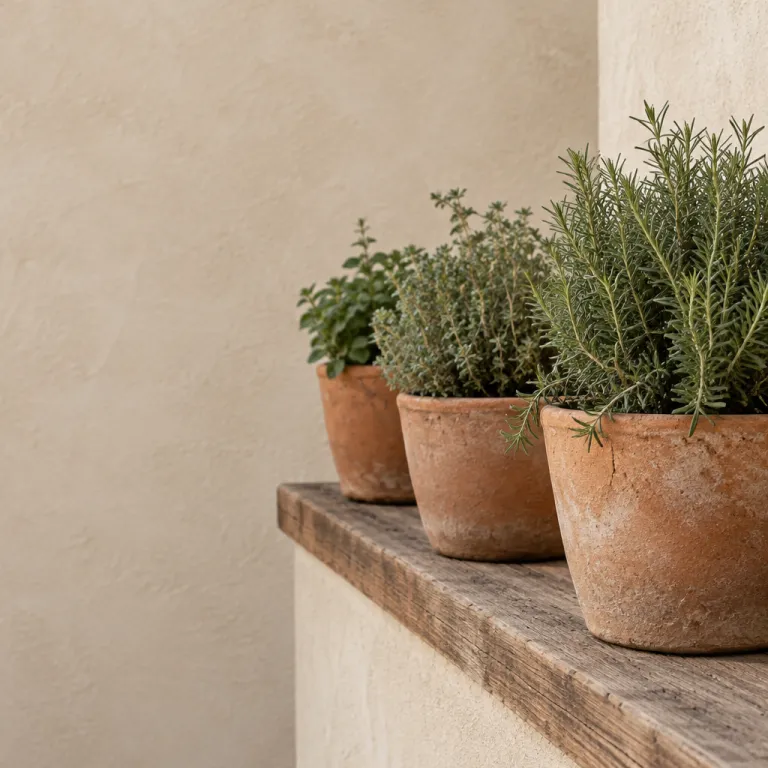
What makes true farm to table hotels in Turkey different
On the Aegean coast of Turkey, a small group of properties now treat the farm as the heart of the hotel. A genuine producer estate builds its entire kitchen rhythm around what the land yields, not around a fixed menu designed months in advance. That is the quiet revolution behind the most serious farm to table hotels Turkey currently offers travelers planning a romantic stay or a food-focused escape.
The difference starts with scale and intent, not just a decorative garden near the pool. Look for a working farm of several hectares, where the property team can walk you through olive groves, vegetable beds and orchards that supply most of the restaurant food. At Narköy in Kocaeli, for example, the 14-hectare organic farm provides around 60–70% of the kitchen’s produce in peak season, a figure the team shares openly on tours. When a hotel describes itself as a farm stay, ask how many hectares the estate cultivates and what percentage of the table is actually grown on site.
In this new generation of Aegean hotels, the kitchen is designed as an extension of the soil. An executive chef will plan the tasting menu only after walking the gardens at first light, checking which fruits and herbs are at their peak that week. At Urla’s Od Urla, chef-owner Osman Sezener has described this approach simply: “The menu starts in the field every morning; the plates follow the plants, not the other way around.” The best farm table experiences in Turkey feel like a conversation between farmer and cook, not a marketing line written for a brochure.
For guests, that philosophy changes the entire trip, from breakfast to the last glass of local olive oil infused with lemon. Your stay becomes a sequence of small, precise moments, like tasting three organic tomato varieties side by side or comparing different plots of the same organic farm. Word of mouth travels fast along the Aegean, and the hotels that take this seriously are now shaping how luxury travelers think about a Turkish coastal restaurant and what a producer-led estate can offer.
The Aegean advantage: soil, sea and a new culinary map
The Aegean coast of Turkey has always been a pantry of olive groves, citrus, wild herbs and clean sea. What has changed is that a handful of hotel kitchens now treat this landscape as their primary supplier, rather than relying on distant wholesalers. When you evaluate farm to table hotels Turkey wide, the Aegean consistently stands out as the best region for provenance driven stays and ingredient-led dining.
Urla’s peninsula, between İzmir and Çeşme, has become the engine of this movement, with chefs running their own gardens and tight networks of local producers. The Michelin Guide’s growing attention to Turkey, including its first Istanbul selection in 2022 and subsequent listings for Aegean restaurants such as Od Urla and Vino Locale, has only sharpened the focus on traceable ingredients and seasonal menus. While not every hotel restaurant will be Michelin starred, the same standards of clarity, simplicity and respect for produce now influence many coastal kitchens.
For visitors, this means a stay where the estate’s soil and the sea outside your window shape every plate. One night might bring a menu built around line caught fish, fennel from the garden and olive oil pressed on the property, while the next focuses on slow cooked lamb and wild greens gathered on a morning walk. This is where a romantic trip becomes a quiet masterclass in how a serious kitchen can move from farm to fork without losing elegance or a sense of place.
Even inland, in regions like Cappadocia, you see the same thinking in places such as Museum Hotel, where terraces overlook vineyards and gardens that feed the restaurant. If you are curious about how this philosophy plays out in cave dining rooms and volcanic landscapes, the guide to Cappadocia’s first Michelin level tables offers useful context. Together, these destinations show how Turkey’s most ambitious hotels now treat geography as their main ingredient.
From garden to plate: how producer hotels actually work
Not every hotel garden signals a true producer mindset, so it pays to look closely. A serious farm to table hotel in Turkey will share clear details about its organic farm, from the size of the hectare estate to the varieties of fruits and herbs it cultivates. When a property is proud of its soil, it rarely hides the numbers or the names of its growers.
On the Aegean, the most convincing hotels operate like small lodges wrapped in working fields rather than like resorts with ornamental gardens. You might see staff moving crates of vegetables from the farm to the kitchen at dawn, or watch the executive chef walking the rows to decide which lettuces will anchor that evening’s menu. At some estates near Alaçatı and Seferihisar, up to 80% of the vegetables and herbs in high season come from on-site plots, with the remainder sourced from neighboring family farms. This is where the phrase farm stay gains real meaning, because the rhythms of the land shape the pace of your day.
Menus at these table hotels change frequently, sometimes even between lunch and dinner. A short printed card might list only a few dishes, with the team explaining that the best food is whatever the garden and nearby fishers offered that morning. For travelers used to long, fixed menus, this flexibility can feel both intimate and quietly luxurious, especially when the kitchen adapts plates around dietary preferences rather than forcing a rigid tasting sequence.
To understand how deeply this thinking runs along the coast, read the analysis of Aegean tables and coastal cuisine on MyTurkeyStay. It shows why the region’s hotels, from simple lodge style properties to more polished estates, now compete on who can tell the clearest story from farm to fork. When you choose where to stay, ask how often the restaurant menu changes and whether the property can walk you from seed to table in a single afternoon.
The guest experience: harvests, tastings and time in the kitchen
For couples planning a romantic trip, the charm of farm to table hotels in Turkey lies in what happens beyond the restaurant. The best estates invite guests into the daily life of the farm, turning a simple stay into a sequence of tactile, memorable experiences. You are not just eating from the garden; you are walking it, smelling it and sometimes helping to harvest it alongside the growers.
On many Aegean properties, mornings might start with a guided walk through the gardens and olive groves, tasting figs straight from the tree and learning how different soils affect the fruits and herbs. Later, you could join a short workshop in the kitchen, where the executive chef shows how to build a salad from three organic tomato varieties or how to finish a dish with freshly pressed olive oil. These moments feel intimate yet structured, ideal for pairs who want to engage without sacrificing relaxation or privacy.
Some hotels design their entire farm stay program around the agricultural calendar, especially during the autumn olive harvest. In much of the Aegean, picking typically runs from late October into November, when the air cools and the groves turn busy. You might help collect olives for a few hours, then sit at a long table while the restaurant team serves a menu built around new season oil, local cheeses and vegetables from the organic farm. This is where the phrase farm table becomes literal, as the property turns its working spaces into temporary dining rooms.
If you want to understand how Turkish culinary traditions elevate these experiences, the feature on how food traditions shape luxury hotel stays is a useful companion read. It explains why word of mouth matters so much in this scene, as travelers share which hotels balance comfort, authenticity and access to the kitchen. For many couples, those shared stories are what finally tip the decision toward one property over another.
How to read the claims: choosing the right producer hotel
Provenance has become a fashionable word, so you need a clear lens when comparing farm to table hotels in Turkey. A hotel website might show a pretty garden, but that does not guarantee the restaurant relies on its own farm for most ingredients. The most reliable properties treat transparency as part of their hospitality, not as a marketing trick.
Start by asking specific questions before you book your stay, especially if the trip revolves around food. How large is the estate, how many hectares are under cultivation and what proportion of the menu comes from the property’s own fields or nearby farms? Serious hotels will answer directly, sometimes even sharing maps of their gardens and lists of partner producers. The Turkish Ministry of Culture and Tourism has repeatedly highlighted “local sourcing and seasonal menus” in its sustainability guidelines, and the hotels that follow this lead tend to be the most open with details.
Pay attention to how the restaurant team talks about seasonality when you arrive. If the staff can explain why a certain fish is on the menu this week or which plot supplied the herbs on your plate, you are likely in a place where farm to fork is more than a slogan. When a property is vague, or when the same dishes appear year round, the connection between farm and table may be thinner than advertised.
Quick checklist: questions to ask a “farm to table” hotel
– How many hectares of land do you actively cultivate?
– Roughly what percentage of your menu comes from your own farm in high season?
– How often does the menu change with the harvest or fishing conditions?
– Can guests visit the fields, orchards or olive groves with a member of the team?
– Which named local producers supply what you do not grow yourself?
MyTurkeyStay’s role is to cut through that noise and highlight hotels where the land genuinely shapes the experience. We look for estates where the kitchen and the farm operate as one system, where the restaurant feels like the natural end point of the gardens and where couples leave with a deeper sense of how Turkey feeds itself. In a landscape full of claims, those are the producer hotels that truly earn their place on your itinerary.
FAQ
How can I tell if a hotel in Turkey is genuinely farm to table ?
A genuine farm to table hotel in Turkey will be transparent about its land, its suppliers and its kitchen practices. Look for clear information on the size of the estate, the proportion of ingredients grown on site and the names of local producers. When staff can explain the origin of each dish without hesitation, you are usually in the right place.
Which season is best for a farm focused stay on the Aegean coast ?
Spring and autumn are particularly rewarding for farm focused stays on the Aegean. Spring brings fresh greens, herbs and early fruits, while autumn aligns with the olive harvest and late season produce. Both periods offer mild weather, active gardens and menus that change quickly with the fields.
Are farm to table hotels in Turkey suitable for couples with different dietary preferences ?
Most serious producer hotels in Turkey handle varied dietary preferences well, because their kitchens work closely with flexible, seasonal ingredients. When the menu is built around vegetables, grains and fresh seafood, it is easier to adapt dishes for different needs. Always inform the property in advance so the team can plan around the harvest.
Do farm based hotels in Turkey tend to be remote or hard to reach ?
Many Aegean producer hotels sit in rural settings, but they are usually within an hour or two of major airports such as İzmir or Dalaman. Roads are generally good, and properties often arrange transfers or provide clear driving directions. The sense of seclusion comes more from the surrounding fields than from actual distance.
Is a farm to table stay more expensive than a regular coastal hotel ?
Rates at serious farm to table hotels in Turkey often sit in the premium range, reflecting small scale operations and intensive kitchen work. However, value comes from the depth of the experience, including tastings, workshops and access to the gardens. For couples who care about food and place, that added richness usually justifies the higher nightly rate.