Turkish food traditions as the new measure of hotel luxury
Luxury hotels in Turkey increasingly treat Turkish food traditions as a core part of the guest experience, not just a pleasant extra. In premium properties from Istanbul to the Black Sea coast, the way Turkish food is sourced, cooked, and served now signals true sophistication and cultural depth. For travelers comparing high-end stays, the breadth and authenticity of Turkish cuisine on offer often matters as much as room size, spa menus, or butler service.
In Istanbul, leading hotels curate tasting journeys that trace Ottoman cuisine from palace kitchens to present-day restaurants, using meat, rice, and vegetables to tell a story of empire, trade, and migration. At Çırağan Palace Kempinski, for example, chefs revive recipes from 19th-century court banquets, while at Four Seasons Hotel Istanbul at Sultanahmet, seasonal menus reference neighborhood markets and long-standing suppliers. These programs highlight how every traditional Turkish dish, from lentil soup to pilav, reflects centuries of food culture shaped by spices, olive oil routes, and regional harvests. Guests who care about gastronomy quickly notice when dishes in Turkey feel generic rather than rooted in typical Turkish traditions.
High-end concierges now brief guests on how to read a menu as carefully as a wine list. They explain why minced meat kebab styles differ between eastern Turkey and the Aegean, or how lamb cooked slowly in clay reflects rural techniques. One Istanbul concierge at a Bosphorus hotel describes his role as “translating the menu into a map of Turkey,” pointing out which dishes come from Gaziantep, the Black Sea, or central Anatolia. When a dish is served with freshly baked bread, local cheese, and tomato paste made from sun-ripened tomatoes, it becomes a cultural lesson rather than just another plate of food.
From palace kitchens to panoramic suites: ottoman cuisine reimagined
Many luxury hotels in Turkey frame their signature restaurants as modern extensions of Ottoman cuisine and Anatolian heritage. Chefs reinterpret historical dishes Turkey once reserved for sultans, pairing them with contemporary plating and panoramic views over Istanbul or Cappadocia. At Mikla in Istanbul, chef Mehmet Gürs blends Anatolian ingredients with fine-dining technique, while in Cappadocia, Argos in Cappadocia’s Seki Restaurant serves clay-pot lamb against a backdrop of fairy chimneys. This approach lets guests taste Turkish food traditions while still enjoying the refinement expected from a premium property.
Menus often feature lamb stews enriched with spices and olive oil, rice pilav perfumed with herbs, and köfte made from carefully seasoned minced meat. When these dishes are cooked in copper pots or stone ovens, they echo palace techniques while remaining accessible to international palates. A well-designed tasting menu can move from delicate vegetable dishes to robust meat courses, showing how Ottoman cuisine balanced abundance with restraint and ceremony with comfort.
In regions like Cappadocia, some hotels pair their cultural dining programs with curated art and heritage itineraries. Guests might spend the day exploring new museums and galleries, then return for a dinner that connects local wine, içli köfte, and slow-cooked kebab to the same landscape, a concept often highlighted in in-depth features about Cappadocia’s evolving cultural stays. One Istanbul-based food writer notes that these integrated evenings “feel like eating your way through a history lesson, but with better lighting and wine.” For travelers choosing between properties, the promise of such integrated experiences can justify longer bookings and higher nightly rates.
Regional flavors, from the Black Sea to Istanbul’s waterfront
Turkish food traditions vary dramatically between the Black Sea, central Anatolia, and Istanbul, and luxury hotels now use this diversity as a differentiator. Along the Black Sea coast, properties highlight fish-focused dishes Turkey is famous for, such as grilled anchovies and hearty stews. In Istanbul, waterfront hotels lean into street-inspired plates like balık ekmek, elevating this simple fish sandwich into a refined yet typical Turkish experience that still recalls bustling ferry docks and seaside stalls.
Guests might start with a delicate lentil soup, then move to rice pilav and grilled meat, all seasoned with regional spices and finished with local olive oil. When hotels explain how these dishes connect to fishing communities, trade routes, or migration patterns, they turn dinner into a guided tour of Turkish food culture. Even a humble plate of kuru fasulye, the beloved white bean stew, becomes a story about comfort, resilience, and shared tables across Turkey.
Well-trained concierges in Istanbul now recommend both fine dining and street-level experiences, from upscale döner kebab interpretations to traditional köfte houses. Some properties even design hammam-to-table itineraries, pairing steam room rituals with restorative meals, a concept explored in depth in analyses of Istanbul’s historic hammams. One guest at a Bosphorus hotel described her stay in a post-trip survey as “a loop of hammam, tea, and kebab, repeated until I understood why people talk about Turkish hospitality the way they do.” For travelers, this blend of wellness, food, and history offers a richer way to understand Turkish cuisine beyond the hotel lobby.
Breakfast rituals and the art of slow mornings in Turkish hotels
Among all Turkish food traditions, the Turkish breakfast ritual has become a defining luxury marker. High-end hotels in Turkey now compete to present the most generous morning spread, turning the first meal of the day into a curated cultural showcase. Guests encounter an array of bread, cheese, olives, eggs, and seasonal vegetables that reflects both regional produce and national pride.
A typical Turkish breakfast table in a premium property might feature several types of local cheese, freshly baked bread, house-made tomato paste, and small dishes of olives marinated in olive oil and spices. Hot plates can include menemen with eggs and tomato, grilled sucuk sausage, and sometimes small portions of lentil soup for guests who prefer a heartier start. At The Bodrum EDITION, for instance, breakfast extends over multiple courses, with honeycomb from nearby villages and made-to-order gözleme. When these dishes are served alongside Turkish tea poured from a double teapot and rich Turkish coffee, the morning becomes a slow, sensory introduction to Turkish cuisine.
Many hotel booking platforms now highlight breakfast photography and menu details as key decision factors. A 2023 survey by the Turkish Hoteliers Federation (TÜROFED) found that more than 60% of guests in five-star properties rated an extensive Turkish breakfast as “very important” in their booking choice, echoing earlier findings in TÜROFED’s “Turkey Hotel Trends” series. Travelers compare how Turkish breakfast offerings differ between Istanbul, Cappadocia, and the Black Sea, often using guides such as this in-depth look at the Turkish breakfast table in hotel reviews. For guests planning longer stays, the promise of varied dishes Turkey-wide, from pilav to içli köfte-inspired breakfast plates, can be as persuasive as spa facilities or room upgrades.
Street food, comfort dishes, and curated hotel tastings
Luxury hotels in Istanbul and other major cities increasingly weave street food into their culinary narratives. Rather than isolating guests from local life, they bring iconic Turkish food indoors, presenting it with refined service and thoughtful wine or tea pairings. This approach respects food culture while meeting expectations for comfort and hygiene.
Signature tastings might include small portions of döner kebab made from carefully sourced lamb or beef, grilled köfte shaped from seasoned minced meat, and balık ekmek reimagined with artisan bread and delicate sauces. Comfort dishes such as kuru fasulye and rice pilav appear in miniature forms, allowing guests to sample several traditional Turkish flavors in one sitting. When these dishes are cooked using clarified butter, quality olive oil, and freshly ground spices, they retain authenticity while feeling appropriate for a premium setting.
Dessert tastings often highlight the playful side of Turkish food traditions. Guests may enjoy stretchy ice cream from regions like Kahramanmaraş, served tableside to showcase its unusual texture, followed by rich Turkish coffee and fragrant Turkish tea. By curating both individual dish experiences and broader menus of dishes Turkey is proud of, hotels help guests understand how everyday street flavors and Ottoman cuisine classics coexist in modern Turkish cuisine.
How to choose a hotel in Turkey through its food culture
For travelers using luxury and premium hotel booking websites, evaluating Turkish food traditions can be a practical selection tool. Instead of focusing only on room categories, it helps to read menus, culinary program descriptions, and guest reviews that mention specific dishes. Properties that speak clearly about Turkish cuisine, regional ingredients, and cooking methods usually invest more seriously in cultural authenticity.
Look for hotels that highlight both meat and vegetable dishes, from grilled lamb kebab to lentil soup, rice pilav, and seasonal salads dressed with olive oil and spices. Menus that reference Ottoman cuisine, kuru fasulye, içli köfte, or typical Turkish comfort dishes often signal a deeper engagement with tradition. When a property explains how its bread is baked, how its cheese is sourced, or why its tomato paste is made in house, it shows respect for the foundations of Turkish food.
Pay attention to how breakfast, lunch, and dinner are served, and whether Turkish tea and Turkish coffee rituals are integrated thoughtfully throughout the day. Hotels that offer regional tastings, from Black Sea fish dishes to Istanbul-style balık ekmek or refined döner kebab, usually provide richer cultural experiences. By prioritizing these details when booking, guests can ensure that every dish, from simple pilav to elaborate minced meat kebab, becomes part of a meaningful journey through dishes Turkey has cherished for generations.
Key statistics on Turkish food traditions and luxury travel
- According to the Turkish Ministry of Culture and Tourism’s 2022 “Tourism Statistics Annual Report,” gastronomy-motivated trips account for an estimated 14–16% of international arrivals to Turkey, with food-related experiences cited by more than one third of surveyed visitors in recent reports. The ministry’s annual tourism statistics series has tracked this trend for several years.
- Industry data from the Turkish Hoteliers Federation (TÜROFED) and its 2021 “Turkey Hotel Trends” report indicates that hotels which invest in regionally focused Turkish cuisine programs can see average daily rates 8–12% higher compared with similar properties that offer only international menus, a pattern also referenced in TÜROFED’s subsequent briefing notes.
- Surveys conducted in 2022 by major online travel agencies and summarized by TÜROFED show that high-quality breakfast, including a varied Turkish breakfast spread, ranks among the top three decision factors for travelers booking premium hotels in Istanbul, reinforcing the emphasis on morning rituals in luxury properties.
- Market research on coffee consumption in Turkey, including the 2020 “Turkish Coffee and Café Culture” study commissioned by the Ministry of Culture and Tourism, notes that while tea remains dominant, interest in specialty Turkish coffee experiences in hotels and restaurants has increased steadily, supporting more elaborate coffee service rituals in luxury properties.
- Tourism boards for coastal regions along the Black Sea report in their 2021–2022 regional development briefs that promoting local fish dishes and traditional Turkish recipes has helped extend average stays by one to two nights, as visitors seek more immersive food culture experiences and book additional dinners or tastings.
FAQ about Turkish food traditions in luxury hotels
How important are Turkish food traditions when choosing a luxury hotel in Turkey ?
Turkish food traditions are increasingly central to the identity of luxury hotels in Turkey, influencing restaurant concepts, room service menus, and even spa packages. Guests who value culture often prioritize properties that highlight Turkish cuisine, regional dishes, and authentic breakfast rituals. Evaluating these elements can help you select a stay that feels both refined and genuinely local.
What should I expect from a Turkish breakfast in a premium hotel ?
In a premium hotel, a Turkish breakfast typically includes several types of cheese, olives, fresh bread, eggs, seasonal vegetables, and small dishes such as jams, honey, and tomato-based spreads. Many properties add hot items like menemen, grilled sucuk, or lentil soup for guests who prefer a more substantial start. Tea service is continuous, and Turkish coffee is often available for a slower, more contemplative finish.
Are traditional dishes like kebab and kofte served differently in luxury hotels ?
Traditional dishes such as kebab and köfte are usually presented with more attention to plating, sourcing, and wine or tea pairing in luxury hotels. Chefs may use specific cuts of meat, house-blended spices, and carefully prepared rice pilav or vegetable sides. The flavors remain recognizably traditional Turkish, but the overall experience feels more curated and leisurely.
Can I experience regional Turkish cuisines without leaving my hotel ?
Many high-end hotels in Istanbul and major destinations now offer regional tasting menus that showcase dishes from the Black Sea, southeastern Turkey, and central Anatolia. These menus might include fish specialties, hearty stews, and unique desserts, allowing you to sample diverse Turkish food traditions in one place. For deeper immersion, some properties also organize market visits or cooking classes with their culinary teams.
How do luxury hotels integrate Turkish tea and coffee into the guest experience ?
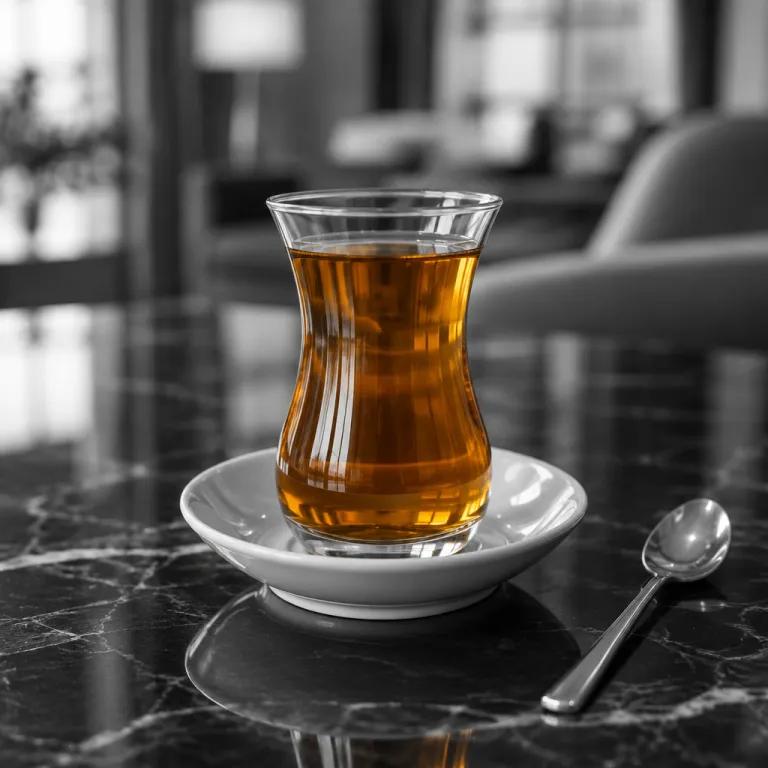
Luxury hotels often weave Turkish tea and Turkish coffee into daily rituals, from welcome drinks at check-in to afternoon service in lounges and post-dinner offerings in restaurants. Tea is usually served in traditional tulip-shaped glasses, while coffee may be prepared tableside with explanations of its cultural significance. These small moments help guests connect with everyday Turkish food culture in a relaxed, elegant setting.