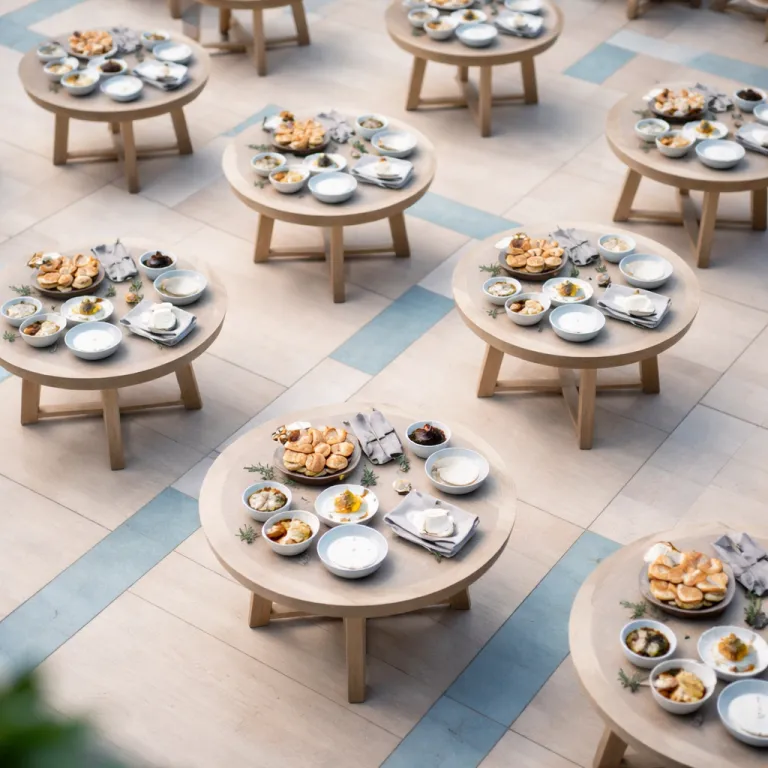
Why anatolian cuisine travel belongs on your luxury hotel shortlist
Anatolian food-focused travel changes how you think about Turkish cuisine. When you leave the Bosphorus and follow the old caravan routes across central and eastern Anatolia, the table opens into a mosaic of regions where lamb, wheat, yoghurt and olive oil tell different stories. For a luxury traveller, the most rewarding hotel stays now pair serious kitchens with access to markets, vineyards and sea cuisine rather than just a polished lobby.
In Istanbul, chefs such as Necati Yılmaz are reviving interpretations of Hittite-era cooking through clay pot dishes, open-fire roasting and menus inspired by ancient clay tablets. His collaborations with archaeologists and culinary historians show how Anatolian cuisine once connected the Black Sea, the Aegean and the Mediterranean through trade in olive oil, spices and dried meat. For many guests, this is where Anatolian cuisine travel begins, with hotel concierges arranging transfers from Bosphorus palaces to inland properties that understand food as cultural heritage.
Luxury hotels that take Turkish gastronomy seriously now design stays around regional dishes rather than generic buffets. Expect tasting menus where plates include slow-cooked olive oil vegetables, yaprak dolması (stuffed vine leaves in tomato sauce) and pastry filled with local cheese or pistachios from Gaziantep. The best concierges know which family kitchens still prepare clay pot stews the old way and which sea-facing restaurants handle fish and octopus salad with the same care as a fine dining room.
Gaziantep: kebab capital and pistachio powered hotel kitchens
Gaziantep is the city where Anatolian cuisine travel becomes an obsession. Recognised as a UNESCO Creative City of Gastronomy since 2015, this region treats lamb, wheat and pistachios as high art, and serious hotels respond with kitchens that could anchor a destination restaurant. For travellers booking premium stays, the question is not whether to eat well, but how many meals you can reasonably fit between check-in and your flight home.
Stay in a restored stone mansion such as Anadolu Evleri in the historic centre and you sleep above cellars once used to store olive oil, grape molasses and sacks of pistachios. Breakfast might bring yoghurt thick enough to stand a spoon, local honey, black olives and breads that echo the diversity of ancient Anatolia. By night, hotel teams arrange tables at kebab houses where dishes include Alinazik with smoked aubergine, söğürme-style roasted eggplant meze and skewers of minced meat grilled over hardwood charcoal.
Gaziantep’s kitchens show how Turkish cuisine absorbed influences from the Ottoman Empire while staying rooted in local fields. Signature plates such as perde pilavı, a pastry-covered rice pilaf wrapped around chicken and nuts, or künefe with the right cheese and syrup, feel almost ceremonial. Between meals, use your hotel as a base to explore copper workshops and pistachio markets, then unwind in a hammam where marble tells its own story of empire and trade, much like the historic baths explored in this guide to Ottoman hammam rituals in Istanbul.
Hatay and Şanlıurfa: faith, fire and the lamb and wheat table
Further south, Anatolian cuisine travel leads to Hatay and Şanlıurfa, where the food mirrors a landscape layered with faiths and empires. Hatay’s capital Antakya blends Arabic-influenced dishes with memories of the Ottoman Empire, while Christian and Jewish quarters add their own pastry-filled sweets and olive oil rich plates. Luxury travellers who value context as much as comfort will find that the right hotel here functions as both refuge and cultural interpreter.
In Hatay, properties such as the Ramada Encore often work with local guides who understand both the archaeology and the kitchens hidden behind modest doors. Menus lean into Mediterranean cuisine and broader cuisine méditerranéenne traditions, with Aegean-Mediterranean touches like cooked olive oil vegetables, stuffed mussels and octopus salad alongside spiced meat stews. Many dishes include tomato sauce brightened with pomegranate molasses, while sea cuisine from the nearby coast brings fish and Black Sea anchovies to inland tables.
Şanlıurfa, by contrast, is about fire, stone and the relationship between lamb and wheat. Here, kebab culture centres on minced meat shaped by hand, çiğ köfte-style raw kibbeh made with fine bulgur and lamb fat, and clay pot stews slow-baked in old-style ovens. Hotels in the southeast may feel simpler than Istanbul palaces, yet the best rooms offer strong showers, reliable Wi‑Fi and staff who can secure seats at the most respected grills, turning a stay into a masterclass in southeastern Turkish cuisine.
Black Sea and Aegean: anchovies, olive groves and coastal hotel tables
Anatolian cuisine travel is not only about the southeast; it also belongs on the coasts where the Black Sea and Aegean meet very different culinary worlds. Along the Black Sea, corn bread, hamsi pilavı and anchovy-based dishes define a region where fish and rain-soaked hillsides shape daily life. Luxury hotels here increasingly highlight Black Sea cooking with menus that respect seasonality and the sea itself.
Expect breakfasts where yoghurt, local butter and honey sit beside plates of fried anchovies, while dinners might feature sea cuisine such as baked fish with herbs, or octopus salad dressed in sharp olive oil. In contrast, Aegean cuisine and wider Mediterranean cuisine focus on vegetables, pulses and cooked olive oil dishes, often served at coastal resorts that understand how to pair food with vineyard visits. Many Aegean hotel restaurants now champion olive oil tastings, explaining how different groves across Anatolia produce oils that shape both simple salads and complex stuffed vegetables.
For a deeper look at coastal Turkish cuisine, consider planning a stay around properties highlighted in this guide to Aegean tables and coastal Turkish cuisine. Here, dishes include dolması stuffed peppers in tomato sauce, pastry filled with herbs and cheese, and seafood cooked in clay pot casseroles that nod to ancient Anatolian techniques. The contrast between Black Sea anchovy culture and Aegean-Mediterranean olive groves shows why no single hotel stay can summarise the full range of Turkish cuisine.
Designing a safe, culture rich anatolian cuisine itinerary from luxury bases
Planning Anatolian cuisine travel as a solo explorer means balancing appetite with logistics. Many travellers choose Istanbul or Cappadocia as their primary base, then add two or three nights in Gaziantep, Hatay or Şanlıurfa for focused eating. This approach lets you enjoy high-comfort hotels and spa-level amenities while still reaching the regions where lamb, grains and olive oil driven dishes define daily life.
Current consular guidance for southeast Turkey generally distinguishes between well-travelled cities and areas closer to sensitive borders, so always check your government’s latest advice before booking. Major hubs such as Gaziantep and Şanlıurfa have modern airports, reliable road links and a growing portfolio of premium hotels, though service levels can vary compared with Istanbul’s polished properties. Many luxury travellers now work with specialist agencies or hotel concierges who understand which neighbourhoods feel most comfortable at night and which routes best connect sea, Black Sea and inland region experiences.
Within Istanbul, projects led by chefs such as Necati Yılmaz and Deniz Sezer bridge ancient and modern Anatolia through curated dining. As one reference explains, “What is Hittite cuisine?” and “Who is Chef Necati Yılmaz?” sit alongside “What services does The Anatolian Table offer?”. For travellers, this means you can book private cooking classes, learn how clay pot stews once fed Hittite workers and then fly south to taste how the Ottoman Empire layered spices onto the same lamb, wheat and olive oil foundations.
How luxury hotels curate hands on anatolian cuisine experiences
The most interesting luxury hotels in Turkey now treat Anatolian cuisine travel as a core part of their identity. Instead of generic international menus, they build relationships with local farmers, fishers and bakers across Anatolia to bring regional dishes into refined dining rooms. For guests, this means a stay can include both white-tablecloth dinners and market visits where you handle the same vegetables that will later appear as cooked olive oil meze.
In Istanbul, some high-end properties collaborate with projects that revive Hittite and Ottoman-era techniques, using clay pot vessels, open-fire roasting and historically informed spice blends. Cooking classes might show how to prepare dolması stuffed vegetables with tomato sauce, pastry filled with minced meat or rice, or stuffed mussels that echo Aegean-Mediterranean harbour snacks. Elsewhere, hotels in Gaziantep or Hatay arrange day trips where meals include kebab feasts, sea cuisine tastings and lessons in balancing yoghurt, lamb fat and olive oil in traditional sauces.
For solo travellers, these curated experiences offer structure without sacrificing independence. You can spend a morning at a local market, an afternoon in a hammam and an evening at a chef’s table where Turkish cuisine is framed as part of a wider cuisine méditerranéenne network stretching from the Black Sea to the Levant. Over several nights, Anatolian cuisine travel becomes less about ticking off famous dishes and more about understanding how each region, from coastal fish towns to inland wheat plains, shapes what arrives on your plate.
FAQ
What is Hittite cuisine and where can I experience it in Turkey ?
Hittite cuisine refers to ancient Anatolian dishes from the Hittite civilisation, reconstructed today through archaeological research and historical texts. In Istanbul, chefs such as Necati Yılmaz work with archaeologists and culinary historians to revive these flavours using clay pot cooking and open-fire techniques. Luxury hotels can often arrange reservations or private events that showcase this strand of Anatolian cuisine alongside more familiar Turkish dishes.
Is southeast Turkey comfortable and safe for a first time food focused trip ?
Cities such as Gaziantep, Hatay and Şanlıurfa have modern infrastructure, quality hotels and airports that connect easily with Istanbul. Many luxury travellers visit these regions for gastronomy, but you should always check your government’s latest consular guidance and work with reputable hotels or agencies that understand local conditions. Choosing central neighbourhoods, arranging airport transfers and relying on hotel recommendations for restaurants will help ensure a comfortable, food rich stay.
How many days should I plan for anatolian cuisine travel beyond Istanbul ?
If you are starting in Istanbul, plan at least three to four days in the city for its markets, meze tables and Ottoman-influenced restaurants. Add two or three nights in Gaziantep or Hatay for focused eating, and consider an extra night in Şanlıurfa or a Black Sea town if you want to compare regional cuisines. This rhythm lets you enjoy both high-comfort hotels and immersive local food experiences without rushing between regions.
Can I combine Cappadocia with a southeast Turkey food itinerary ?
Yes, many travellers pair Cappadocia’s cave hotels and landscapes with a short southeast Turkey culinary side trip. You can fly from Cappadocia’s nearest airports to Gaziantep or Şanlıurfa, then base yourself in a central hotel that arranges restaurant bookings and market visits. This combination offers a strong contrast between Anatolia’s volcanic interior, its lamb and wheat traditions and the more coastal influences of Turkish cuisine you may have tried earlier in the trip.
How do luxury hotels in Turkey support authentic regional cuisine experiences ?
Leading luxury and premium hotels in Turkey increasingly partner with local producers, chefs and guides to showcase regional food cultures. They may offer market tours, cooking classes, tasting menus focused on Aegean cuisine or Black Sea dishes and access to specialists such as Deniz Sezer for private chef services. When booking, ask specifically about Anatolian cuisine travel experiences, farm visits and any collaborations with local culinary projects to ensure your stay reflects the country’s full gastronomic range.