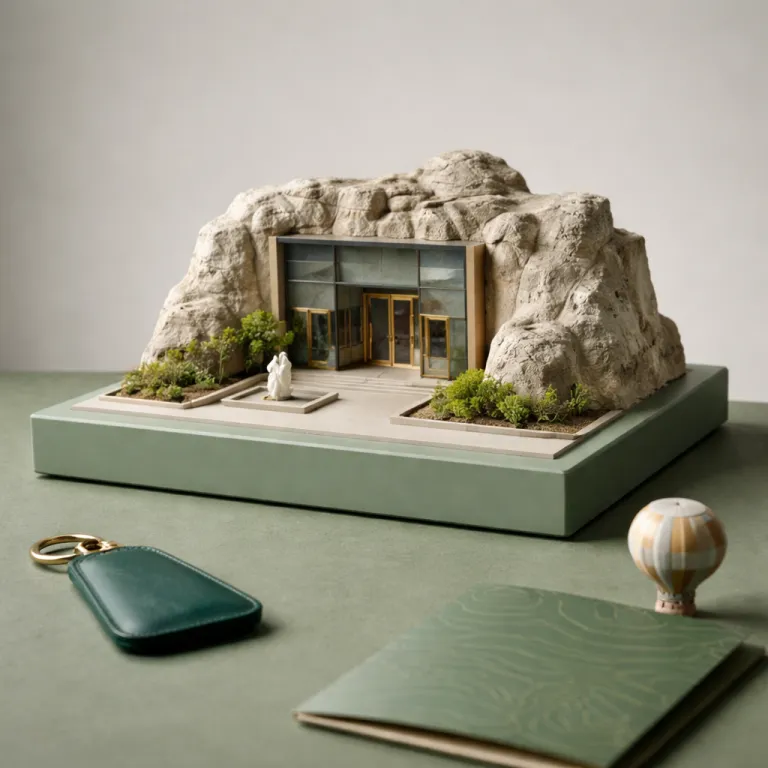
From balloon stopover to cappadocia cultural tourism hub
Cappadocia is being quietly rewired from a two night balloon stop into a dense cultural landscape where you can actually linger. Ahiler Development Agency (AHİKA) is backing a wave of thematic projects across the region, using tax reductions and social security incentives to push investors toward museums, galleries, and congress spaces rather than only more hot air balloon launch fields. For luxury travelers planning a visit, this shift in Cappadocia’s tourism model means your hotel choice now shapes how deeply you connect with the rock cut history beneath those famous fairy chimneys.
According to AHİKA’s 2023 regional development brief on the NeoCappadocia program (available via the agency’s official publications page), the initiative is expected to channel around 22 million dollars into new cultural infrastructure in Nevşehir province, with Turkish company DOF Robotics announcing a 20 million dollar immersive experience complex in its 2023 press materials that will sit alongside existing heritage sites. Official figures from the Ministry of Culture and Tourism’s museum statistics portal indicate that museums and archaeological areas in the wider Cappadocia area already attract more than 4.5 million visitors annually, yet average stays still hover around two nights, which keeps many guests pinned to sunrise balloon flight schedules and quick coach tours. As AHİKA president İbrahim Şahin has argued in recent interviews with Turkish media, the goal is explicit: by nudging stays toward four nights, Cappadocia’s cultural tourism ecosystem can support higher spending on private guides, contemporary art visits, and slow itineraries through valleys like Rose Valley and the Ihlara Valley.
For travelers, the most visible change will be how hotels in Cappadocia and in nearby Göreme curate access to these new cultural layers. High end properties are already pairing traditional cave suites with concierge designed days that combine a sunrise hot air balloon flight with afternoon time in the Contemporary Art Museum operated by Nevşehir Hacı Bektaş Veli University, which opened in 2018 as a bridge between local heritage and global art conversations. A curator involved in the museum’s early exhibitions notes that international residencies and site specific installations are now “encouraging visitors to see the valleys as a living studio rather than just a backdrop.” When you visit Cappadocia now, the question is less which valley you will hike and more how your chosen hotel will add context to the early Christian frescoes, the underground cities, and the evolving culture of Cappadocian wine and design.
New museums, galleries, and how hotels are rewriting the itinerary
The most ambitious strand of this Cappadocia cultural tourism push is the cluster of new museums and art spaces planned around Nevşehir and Göreme. NeoCappadocia will use immersive technologies and modern museum facilities to reinterpret heritage sites, turning the story of rock cut churches, underground cities, and early Christian communities into layered experiences rather than static panels. In parallel, viticulture museums, carpet weaving museums, and small art galleries are being incentivized to anchor visitors in specific valleys, from the Rose Valley to the Ihlara Valley and the Valley of Selime.
For luxury travelers, this matters because it changes what counts as the essential list of things in Cappadocia. A typical Cappadocia travel day might soon start with a private hot air balloon flight over the fairy chimneys, continue with a guided walk through the Göreme Open Air Museum, then move into a tasting at a local winery that doubles as a living air museum of Cappadocian amphorae and clay pot traditions. One concrete example is the way independent galleries in Nevşehir have begun pairing exhibitions of regional ceramics with talks by archaeologists working in nearby underground cities, turning a simple gallery visit into a compact seminar on material culture. When you add a late afternoon visit to a contemporary gallery in Nevşehir or an open air sculpture garden near a rock cut valley, the case for staying three or four nights instead of two becomes obvious.
Hotels are already adjusting their product to this longer stay logic. High end properties in Cappadocia and in Istanbul, often under the same Turkish ownership groups, are designing multi city itineraries where guests fly from Istanbul after a Bosphorus facing stay straight into a curated cultural program in the region. Gastronomy is part of the equation; some cave properties now pair traditional Turkish clay pot stews with tasting menus that echo the countrywide rise of Michelin level hotel restaurants, a trend we unpack in detail in our guide to Turkey’s Michelin starred hotel restaurants. A sample three night stay might weave together a sunrise balloon flight, a day among rock cut churches, a museum focused on regional crafts, and a final evening devoted to contemporary art and wine.
Film sets, pricing shifts, and protecting the raw landscape
Alongside museums, AHİKA is supporting a film production hub that could turn Cappadocia’s valleys into regular backdrops for cinema and streaming projects. The same rock formations and open air plateaus that host sunrise balloon tours and hot air balloon festivals are being scouted as controlled sets, with incentives mirroring those offered to cultural investors. Recent Turkish productions, including historical dramas that have used the Valley of Selime and areas near Uçhisar as locations, hint at how this might scale. For travelers, this film angle adds another layer to Cappadocia’s cultural narrative, as hotels begin to offer behind the scenes location tours and private screenings tied to productions shot among the fairy chimneys.
There is a clear upside for high end properties; longer stays and higher demand for suites with panoramic air balloon views usually translate into firmer pricing and more differentiated service. Expect more hotels to bundle guided visits to heritage sites, early Christian churches, and underground cities with spa rituals and hammam experiences that echo Istanbul’s Ottoman bath culture, a dynamic we analyse in our feature on reading the marble at Istanbul’s hammams. As Cappadocia travel patterns stretch, the best addresses will use their local teams to filter the growing menu of tours, from sunrise balloon flights to late evening walks through the Valley of Selime, ensuring that guests still feel the silence of the rock at least once a day.
There is, of course, a risk that too many projects could dilute the raw geological drama that first drew visitors to this part of Turkey. NeoCappadocia’s backers argue that technology rich exhibits and contemporary art spaces will actually relieve pressure on fragile rock cut churches by spreading visitors across more sites, and they point to the Contemporary Art Museum, established in 2018 and managed by Nevşehir Hacı Bektaş Veli University, as proof that new spaces can coexist with old ones. For travelers choosing a hotel in Cappadocia or planning a combined Istanbul and Cappadocia itinerary, the most sustainable move is to favour properties that work with local guides, support traditional Turkish crafts, and treat the valleys not as a backdrop for one more balloon photo but as living culture Cappadocia deserves.
Practical notes and expert references
What is NeoCappadocia? A regional immersive experience project in Cappadocia, with AHİKA documents and DOF Robotics announcements indicating an investment envelope of roughly 20–22 million dollars; both sources can be consulted through their respective official websites and press rooms. When was the Contemporary Art Museum established? In 2018, under the management of Nevşehir Hacı Bektaş Veli University. How many visitors did Cappadocia museums attract in recent years? Ministry of Culture and Tourism statistics for the mid 2020s report over 4.5 million annual entries to museums and archaeological sites in the area, as listed in the ministry’s publicly accessible data tables.
For travelers planning to visit Cappadocia, three practical habits still apply. Visit museums early to avoid crowds, check for combined tickets, and explore both historical and contemporary sites to understand how Cappadocia’s cultural tourism scene is evolving beyond the classic balloon tour narrative.