The seasonal logic of the winter hammam
Step out into a sharp Istanbul wind and the logic of the turkey hammam winter tradition becomes instantly clear. The classic Turkish bath was never designed as a poolside extra ; it was historic winter infrastructure, a civic answer to cold streets, damp stone houses and the need to keep the body and mind functioning through long dark months. When you cross from the icy air into a warm marble room, you feel centuries of seasonal wisdom click into place.
In Ottoman cities, hammam Turkish architecture sat beside mosques and markets, part of a weekly rhythm of cleansing rituals that aligned hygiene, social life and spiritual balance. The sequence of rooms moves you gradually from a mildly warm antechamber into a hotter steam room, allowing the body to adapt to the rising heat without shock and preparing the skin for deeper cleansing. That slow transition is why a true hammam experience feels so right in winter, when the contrast between cold streets and enveloping steam bath is at its most dramatic.
Inside, the air is thick with steam and the sound of water echoing off stone, while outside the city stays cold, grey and busy. You sit on heated marble benches, letting the warmth penetrate muscles and joints, and you sense how these baths were once the only reliable central heating many neighbourhoods knew. A proper winter hammam visit is less about instant spa gratification and more about seasonal resilience, a way to keep circulation, immune system and mental clarity steady until spring.
Reading the ritual: from warm room to foam massage
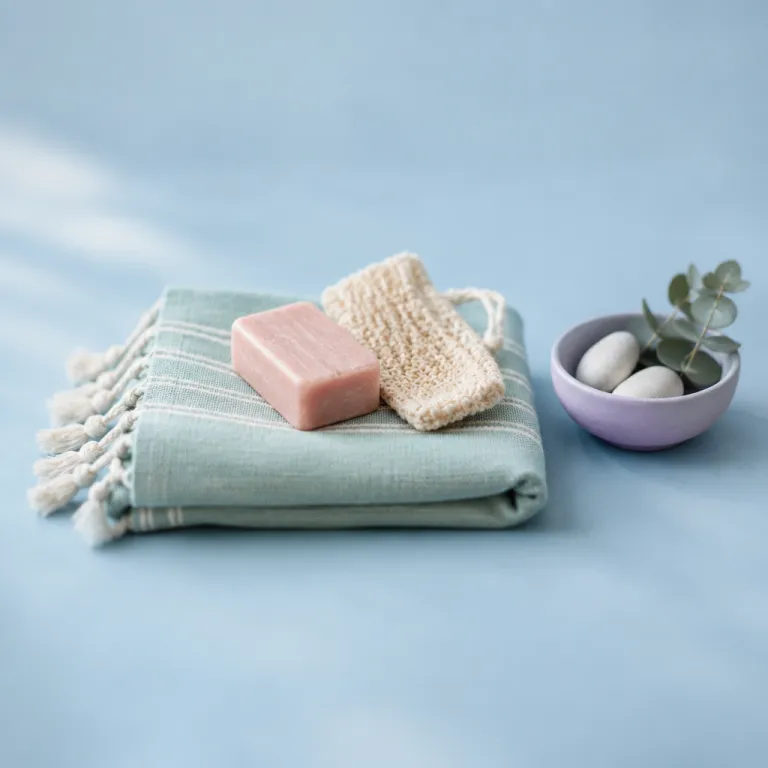
A well run Turkish hammam follows a precise choreography that feels almost liturgical in winter, and understanding it helps you separate a rushed tourist scrub from the real thing. You begin in the camekan, a high ceilinged lounge or changing room where you wear hammam cotton pestemal wraps and sip tea while your body adjusts from the cold outside. From there an attendant guides you into the tepidarium, the first warm room, where gentle heat and light steam start to open pores and soften dead skin.
The heart of the hammam experience is the sıcaklık, the main steam room with its central göbektaşı, a raised slab of heated marble that radiates steady heat into your back and limbs. You lie on the stone, listening to the drip of water and the low murmur of other guests, and after ten or fifteen minutes you feel blood circulation deepen as your muscles surrender to the experience warm environment. This is where the winter hammam makes the most sense ; the contrast between the cold city and the enveloping heat creates a feeling of deep relaxation and inner balance that no summer session can match.
Then comes the kese scrub and foam massage, the defining cleansing ritual of Turkish baths. An attendant uses a rough mitt to sweep away layers of dead skin, then covers you in clouds of warm foam made from simple olive oil soap, working it across every part of the body with confident, practised movements. In the best luxury hotel hammams, such as those highlighted in guides to thermal elegance and advanced spa design, this sequence is unhurried, respectful and aligned with centuries old Turkish bath rituals winter traditions.
Historic bathhouses versus luxury hotel hammams
Choosing between a centuries old neighborhood hammam and a polished hotel spa is one of the key decisions for any turkey hammam winter itinerary. Historic Turkish baths such as Kılıç Ali Paşa Hamamı in Karaköy or Çemberlitaş Hamamı near the Grand Bazaar offer soaring domes, filtered light and a sense of continuity that no new build can match. Their steam rooms and marble slabs have hosted winter hammam rituals for generations, and the attendants often inherit techniques passed down through families.
Luxury and premium hotels, on the other hand, excel at layering comfort and privacy onto the traditional hammam Turkish template. You might move from a classic steam bath into a private treatment room for an aromatherapy oil massage, or combine a traditional foam massage with modern hydrotherapy designed to support blood circulation and the immune system. Many high end properties now frame the hammam experience within broader longevity and wellness programs, a shift explored in depth in analyses of how Turkish spas are evolving beyond simple pampering.
For a first timer focused on authentic cleansing rituals, a historic public bath in winter often delivers the most powerful sense of place, especially when the cold outside heightens the pleasure of the warm interior. For travellers who value quiet, tailored service and immaculate facilities, a five star hotel hammam can be ideal, particularly if you want to pair the scrub with targeted body treatments or skin therapies. The sweet spot for many luxury travellers is to experience both ; one day in a living monument of Ottoman bathing culture, another in a contemporary spa that refines those same rituals winter after winter.
Where turkey hammam winter culture shines: Istanbul and beyond
Istanbul is the obvious stage for a turkey hammam winter escape, because the city’s dense fabric of mosques, markets and bathhouses was built around cold, wet seasons. A morning spent wandering the steep streets of Beyoğlu or the windswept Galata waterfront feels entirely different when you know a warm Turkish bath awaits, its steam room already filled with the scent of olive oil soap. Pair a visit to a historic hammam near Sultanahmet with an evening walk along the Bosphorus, and the contrast between cold air and interior heat becomes part of the narrative of your trip.
Anatolian cities bring their own variations on the theme, often with stronger links to thermal water and deep winter rituals. In Bursa, the old Ottoman capital, hammam Turkish traditions intersect with natural hot springs, creating steam baths where mineral rich water and classic marble architecture work together on tired muscles and dry winter skin. Cappadocia’s cave hotels now integrate Turkish hammam suites into volcanic stone, so you can move from a snow dusted valley hike straight into a warm room carved from rock, letting the body mind connection reset after hours in the cold.
For travellers planning a longer stay, luxury properties across the country are weaving hammam experiences into broader seasonal packages that include complimentary breakfasts, curated city walks and spa access. When you browse curated collections of exceptional Turkish hotel stays with thoughtful wellness perks, look for winter hammam access listed alongside other amenities. The most rewarding itineraries treat Turkish baths not as a one off indulgence but as a recurring winter ritual, anchoring days of urban exploration or mountain excursions in the steady rhythm of heat, steam and structured relaxation.
Wellness without the hype: what a winter hammam really does
Strip away the marketing language and a turkey hammam winter session is a simple, effective way to care for the body in cold weather. The combination of moist heat, gradual temperature shifts and manual exfoliation supports blood circulation, eases muscular tension and helps refresh skin that has been dried out by indoor heating. Many guests report a sense of mental clarity after leaving the steam room, a grounded calm that comes from stepping away from screens and letting the body mind system reset in a focused ritual space.
The physiological effects are straightforward rather than mystical. Warm steam dilates blood vessels, which can support circulation and help the immune system function more efficiently during winter, while the removal of dead skin allows natural oils to distribute more evenly across the surface. A skilled attendant’s foam massage, especially when using high quality olive oil soap, works like a full body lymphatic treatment, encouraging fluid movement and releasing tension stored in shoulders, back and legs.
There are limits, of course ; a Turkish bath is not a cure all, and anyone with cardiovascular conditions should consult a doctor before intense heat exposure. Used sensibly, though, hammam Turkish rituals winter after winter can become part of a sustainable self care routine, especially for solo travellers who need a structured way to decompress on the road. Think of the steam bath and warm room as tools to maintain balance rather than miracles, and the experience warm marble under your spine will feel all the more honest and restorative.
Etiquette and practical guidance for first time winter visitors
Arriving prepared turns a turkey hammam winter visit from intimidating to effortless, especially if you are travelling alone. Most quality Turkish baths provide pestemal wraps, slippers and towels, but you may prefer to wear hammam friendly swimwear, particularly in mixed gender or hotel settings. Bring a simple bag for your belongings, and avoid heavy meals or alcohol before entering the steam room, as the combination of heat and digestion can leave the body feeling sluggish.
Inside, follow the lead of attendants and regulars, because the unspoken choreography is part of the hammam experience. Rinse lightly at the basins before lying on the warm central slab, and let the heat work for several minutes before any scrub or foam massage begins, so your skin is fully ready to shed dead skin without irritation. When an attendant starts the cleansing rituals, communicate clearly but politely about pressure levels, especially if you have sensitive areas or recent injuries.
After the treatment, take your time transitioning back to the cold outside, because the shift from heat to winter air can feel abrupt if rushed. Sit in the cooler antechamber, sip water or tea and allow blood circulation and heart rate to settle before stepping into the street. That slow re entry is where you feel the full benefit of the Turkish hammam ; wrapped in dry clothes, skin tingling, body mind quiet and balanced against the season.
FAQ
Is a Turkish hammam better in winter or summer ?
The hammam was historically designed for cold seasons, so winter often provides the most satisfying experience. The contrast between the cold air outside and the warm steam room inside makes the heat, foam and massage feel more restorative. In summer, sessions can still be pleasant, but many travellers find the turkey hammam winter atmosphere more comfortable and less overwhelming.
What should I wear in a Turkish bath during winter ?
Most traditional Turkish baths provide a cotton wrap called a pestemal, which you wear hammam style around the waist or chest. In many luxury hotel spas, guests also choose to wear swimwear, especially in mixed gender areas. Bring warm outer layers for after the session, because your body will be relaxed and more sensitive to the cold when you step outside.
How long should a full winter hammam session last ?
A complete turkey hammam winter visit usually takes between 60 and 90 minutes. That allows time to acclimatise in the warm room, spend at least 15 to 20 minutes on the heated marble slab and then receive a thorough scrub and foam massage. Rushing the sequence reduces both relaxation and the benefits for circulation, skin and overall balance.
Are hotel hammams as authentic as historic bathhouses ?
Authenticity depends more on how the rituals are performed than on the building alone. Many luxury hotels in Turkey employ experienced attendants and follow traditional cleansing rituals, while adding privacy and modern comforts. Historic public baths offer unmatched atmosphere, but a well run hotel hammam can deliver an equally genuine winter hammam experience with higher service standards.
Can a winter hammam help with jet lag and stress ?
The combination of heat, steam and structured massage can ease muscular tension and support blood circulation, which often helps travellers feel more grounded after long flights. A turkey hammam winter session encourages mental clarity by removing digital distractions and focusing attention on simple sensory rituals. While it will not eliminate jet lag entirely, many frequent travellers use a Turkish bath visit as their first reset ritual on arrival in Turkey.