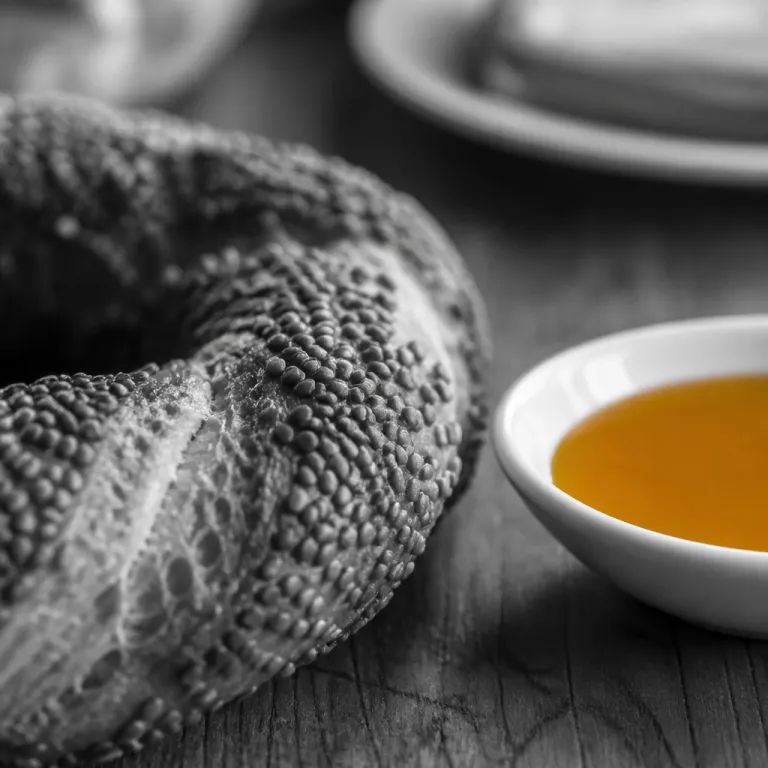
Reading a luxury hotel through its Turkish breakfast table
In Turkey, a turkish hotel breakfast is never just a meal. It is the first serious test of a property’s hospitality, the moment when turkish food philosophy, sourcing, and service are quietly served on small plates. For couples planning travel, the way breakfast is served tells you more about a hotel’s soul than any lobby chandelier.
The classic turkish breakfast, often arranged as a generous serpme kahvalti, spreads across the table in dozens of small plates that mix sweet and savory with almost theatrical abundance. Expect baked bread still warm from the in house oven, several styles of cheese, bowls of olives, fresh herbs, and bright tomatoes cucumbers glistening with olive oil. A strong turkish tea service anchors the ritual, while turkish coffee waits as a final punctuation rather than a starting point.
Data from the Turkish Tourism Board shows that around ninety percent of hotels in Turkey offer some form of traditional turkish breakfasts, yet only a fraction execute them at a truly luxury level. A serious property will treat breakfast turkish style as a daily tasting menu, not a generic buffet. When you evaluate hotels, read the breakfast room as you would a restaurant dining room in Istanbul or Bodrum, because the turkish hotel breakfast quietly reveals whether the kitchen is ambitious or merely adequate.
Regional serpme kahvaltı: Istanbul, Aegean coast, and eastern Turkey
Once you start to experience turkish breakfasts across regions, patterns emerge. In Istanbul, a high end turkish hotel breakfast leans cosmopolitan, layering traditional turkish elements like menemen eggs and börek with international food touches such as smoked salmon or avocado. Along the Aegean coast of Turkey, breakfasts become greener and lighter, with more fresh herbs, olives, and sheep milk cheeses appearing beside baskets of baked bread.
On the Bodrum peninsula, many luxury hotels now mirror the coastal cuisine movement described in Aegean tables where chefs are rebuilding Turkish coastal cuisine. Here, a turkish breakfast might feature tomatoes cucumbers dressed with local olive oil, green peppers blistered over charcoal, and honey from nearby villages served with clotted cream. The sweet savory balance feels lighter than in Istanbul, yet the food still arrives as a full serpme kahvalti that can easily stretch into a two hour meal.
Travel east and the story changes again, especially in Van and the surrounding region of Turkey, where a traditional turkish breakfast can include up to forty items. You will still find eggs and bread, but also regional specialties such as herbed cheeses, tahini molasses, and more assertive savory dishes that blur the line between breakfast and lunch. When a hotel in eastern Turkey respects this heritage, its turkish hotel breakfast becomes a cultural lesson, not just a morning convenience.
Hotel breakfast versus kahvaltıcı: what luxury travelers should expect
Across Turkey, dedicated breakfast houses called kahvaltıcı have long set the standard for serpme kahvalti. They specialise in turkish breakfasts built from relationships with local farmers, bakeries, and cheese makers, and they often serve only in the morning. A luxury hotel that takes its turkish hotel breakfast seriously now competes directly with these institutions, which means the bar for quality is high.
In a top tier property, the difference begins with sourcing and continues through service. Baked bread should come from an in house bakery or a named artisan, cheeses should include at least one made from sheep milk, and honey should be traceable to a specific region of Turkey. Hot food such as eggs, börek, or even a delicate lentil soup must be cooked to order and served promptly, not languishing on a buffet under heat lamps.
Some of the most ambitious hotels now align their breakfast philosophy with their fine dining programs, a shift mirrored by the expansion of the Michelin Guide to regions like Cappadocia and the growing attention on Michelin starred hotel restaurants in Turkey. When a property invests in turkish food at this level, the turkish breakfast becomes a daily showcase of the same kitchen talent that drives its signature restaurant. For couples planning travel, this means that choosing a hotel with a serious breakfast program can effectively secure a world class dining experience every single morning.
What to look for on the Turkish hotel breakfast table
Evaluating a turkish hotel breakfast starts with the basics, then moves into nuance. First, look at the bread and cheese selection, because these two food groups are the backbone of any breakfast turkish style. You want several types of baked bread, at least three cheeses including a briny white variety, and butter that tastes clean rather than anonymous.
Next, scan the small plates that carry the sweet and savory accents. High quality honey, ideally from a named region of Turkey, should sit beside jams, tahini, and perhaps a chocolate hazelnut spread, while savory plates bring olives, green peppers, tomatoes cucumbers, and fresh herbs like parsley or dill. A well run hotel will also offer hot dishes such as eggs cooked to order, börek with crisp layers, and sometimes a light lentil soup for guests who prefer something warming.
The beverage service is equally revealing, because tea and coffee are not afterthoughts in traditional turkish hospitality. A proper turkish tea service uses tulip shaped glasses and strong, freshly brewed tea turkish style, while turkish coffee should be available for those who want a slower, more intense finish. Freshly squeezed orange juice is now standard in most luxury hotels, and the way it is served — promptly, chilled, and without extra charge — quietly signals how seriously the property takes its turkish hotel breakfast promise.
Breakfast economics, sourcing, and why it belongs in every hotel review
For luxury hotels in Turkey, breakfast is no longer a cost center to be minimised. A generous turkish hotel breakfast keeps couples on property longer, encourages them to order a second round of turkish tea or coffee, and often shapes their decision to return. When breakfast turkish style is handled with care, it becomes the daily anchor of the stay, the moment when staff can read guest preferences and quietly personalise service.
The best hotels now work directly with local farmers and bakeries, turning the turkish breakfast into a showcase of regional food ecosystems. This might mean honey from a single producer, cheeses made with sheep milk from nearby villages, or vegetables and fresh herbs grown on the hotel’s own land. These choices echo the broader movement toward local sourcing and advanced guest experiences explored in pieces such as how technology elevates luxury hotel stays in Turkey, where attention to detail defines the entire property.
From a guest perspective, the economics are simple. A hotel that invests in turkish breakfasts with real ingredients, attentive service, and thoughtful sweet savory balance is unlikely to cut corners elsewhere. When you read or write a hotel review, the serpme kahvalti, the quality of the tea turkish style, the precision of the eggs, and even the freshness of the orange juice should sit alongside room design and spa quality, because the breakfast table is where you truly experience turkish hospitality every morning.
FAQ
What is a typical Turkish breakfast in a hotel ?
A typical turkish hotel breakfast mirrors the home style turkish breakfast but with more range and polish. You can expect a variety of cheeses, olives, bread, eggs, and tea, often expanded with pastries, fresh fruit, and regional specialties. In many luxury hotels, this appears as a serpme kahvalti of small plates that mix sweet and savory elements across the entire table.
How long should I plan for a Turkish hotel breakfast ?
Turkish households and hotels alike treat breakfast as an unhurried ritual rather than a quick refuelling stop. How long does a traditional Turkish breakfast last? Typically 1-2 hours, encouraging leisurely dining. For couples on vacation, allowing at least an hour lets you enjoy multiple rounds of turkish tea, hot dishes like eggs or börek, and the full spread of small plates.
Is a Turkish hotel breakfast suitable for vegetarians ?
Yes, most turkish breakfasts in hotels are naturally friendly to vegetarian guests. The core of the meal is built around bread, cheese, olives, tomatoes cucumbers, fresh herbs, jams, honey, and other plant based food, with eggs and börek providing additional protein. Many hotels in Turkey will happily expand the vegetarian options if you mention your preferences when you check in.
How does a hotel serpme kahvaltı differ from a buffet ?
A serpme kahvalti in a luxury hotel is served directly to your table as a curated sequence of small plates, rather than forcing you to queue at a buffet. Hot items such as eggs, börek, or lentil soup are usually cooked to order, while cold dishes like cheeses, olives, and fresh vegetables arrive already arranged. This style feels more intimate and allows staff to adjust portions and pacing to match how you prefer to start day during your stay.
What drinks should I try at a Turkish hotel breakfast ?
The essential drinks at a turkish hotel breakfast are turkish tea and freshly squeezed orange juice, both of which are usually included in the room rate at premium properties. Many guests also finish with a small cup of turkish coffee, which is thicker and more intense than filter coffee. If you enjoy dairy, some hotels in Turkey also offer regional yoghurt or even warm milk from sheep milk producers as part of the morning ritual.