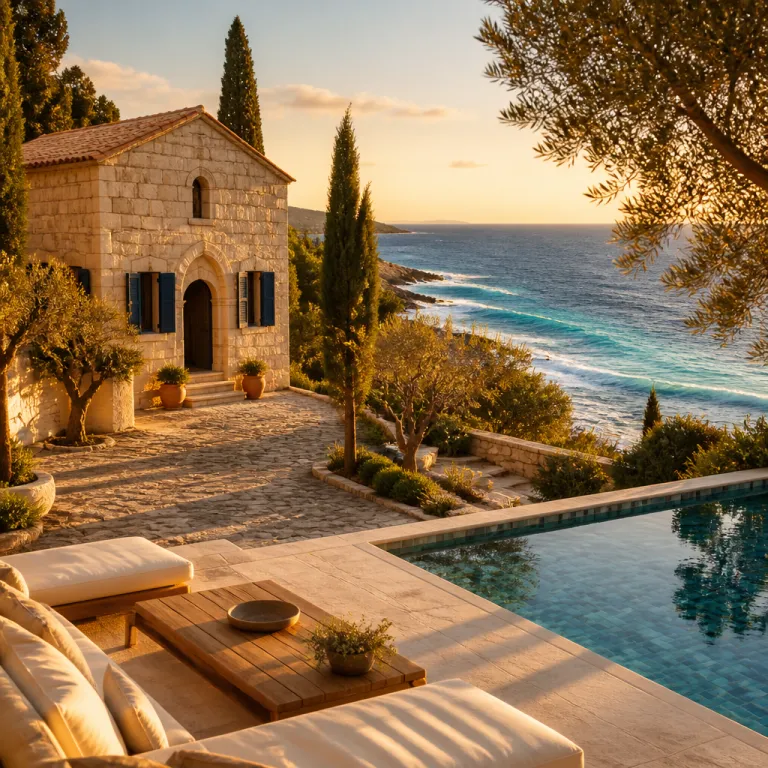
The Virgin Mary house in Turkey as a luxury pilgrimage highlight
The Virgin Mary house in Turkey sits quietly above Selçuk, yet it anchors many refined itineraries. This stone dwelling, where Mary is believed to have lived after the death of Jesus Christ, has become a discreet magnet for travelers who pair spiritual depth with high-end stays, and it offers a rare balance between serenity and curated comfort. For guests booking premium rooms along the Aegean coast of Turkey, this holy site transforms a classic sun-and-sea escape into a meaningful journey.
Christian tradition holds that Mary lived near ancient Ephesus under the care of Saint John, and the modest house on Mount Koressos is revered as the place where the mother of Jesus spent her final years. The Ephesus house of Mary is not a museum only; it is a living pilgrimage site where Mass is held regularly by the Catholic Church, and where the silence between services feels almost as important as the liturgy itself. Luxury travelers who have already visited major shrines in Europe often describe this sanctuary of the Blessed Virgin as more intimate, because the forested setting and the small stone chapel dedicated to Mary create a sense of privacy that large sanctuaries rarely achieve.
The Vatican has recognized the site as a place of pilgrimage, and the Catholic Church presence here reassures guests who value authenticity in religious heritage. Official Vatican communications on Marian shrines confirm that the house near Ephesus is accepted as a pilgrimage destination, and papal visits in the late twentieth century reinforced that status. This recognition matters for discerning visitors who want to ensure that the Mary house near Ephesus is not just a local legend, but a Church-endorsed destination where the spiritual narrative of Mary, mother of Jesus, is treated with respect and careful preservation.
Staying in style near Selçuk and Ephesus for a sacred day trip
Selçuk is the practical gateway to the Virgin Mary house in Turkey, and it offers a growing portfolio of luxury and premium hotels that pair well with a day of reflection. Many guests choose refined properties in nearby Kuşadası or along the Aegean coast, then arrange private transfers to the House of Mary site early in the morning for a quieter experience. This combination allows travelers to enjoy spacious suites, attentive service, and fine dining at night, while dedicating daytime to the holy landscape around Ephesus.
High-end hotels in Selçuk and Kuşadası understand that their clientele often seeks more than beach time, so concierges routinely arrange tailored Ephesus tours that include the archaeological site, early Christian church ruins, and the Marian sanctuary on the hill. A private Ephesus tour with a licensed guide can weave together the story of Saint John, the first Christian communities, and the way Mary is believed to have lived in this region, turning a simple visit into a coherent narrative. For culinary-minded travelers, pairing such a tour with a gourmet evening inspired by regional cuisine, similar in ambition to the experiences described in this guide to Michelin level dining in Cappadocia cave restaurants, creates a memorable contrast between sacred history and contemporary Turkish gastronomy.
Some premium properties offer wellness-focused packages that frame the Virgin Mary house in Turkey as part of a broader retreat, combining spa rituals, gentle hikes, and quiet time for prayer or meditation. Guests may attend a morning Mass held at the chapel of Mary, then return to their hotel for a hammam session and a long lunch overlooking the sea. This rhythm suits travelers who want to honor the holy site without sacrificing the comforts and privacy that define a luxury stay in Turkey.
Hidden narratives: Anne Catherine Emmerich, Mandat Grancey, and the rediscovery of the site
Behind the serene façade of the Virgin Mary house in Turkey lies a surprisingly intricate story that appeals to travelers who appreciate history as much as hospitality. The modern identification of this house as the place where Mary lived owes much to the visions of Anne Catherine Emmerich, a German nun whose detailed descriptions of a stone dwelling near Ephesus inspired later explorers. Her accounts guided early visitors such as Abbé Julien Gouyet and, later, the French noblewoman and religious foundress Marie de Mandat-Grancey, whose investigations helped bring the site to wider attention and eventually to the notice of the Catholic Church.
For guests staying in luxury hotels, these hidden narratives add depth to what might otherwise be a simple photo stop, because they reveal how faith, scholarship, and perseverance converged on this small house in Turkey. Guides on specialized Ephesus tours often explain how the writings of Catherine Emmerich described the landscape, the path from Ephesus, and the way Mary, mother of Jesus, was said to live in seclusion, long before archaeologists examined any physical remains. When travelers walk the shaded approach to the Ephesus house today, they are retracing a route that exists both in Christian tradition and in the meticulous notes of those who believed the Blessed Virgin had truly lived here.
Luxury travelers with a taste for lesser-known stories sometimes extend their itineraries to include other enigmatic sites, such as the ancient sanctuary explored in this luxury traveler’s guide to Ploutonion, or Pluto’s Gate. Linking the Virgin Mary house in Turkey with such places creates a curated route through Turkey where each holy site or archaeological place offers a different layer of meaning. In this context, the modest Marian shrine above Selçuk becomes part of a broader tapestry of sacred and mysterious locations that reward travelers who look beyond the obvious highlights.
Designing a premium itinerary: timing, access, and private experiences
Thoughtful timing is essential when integrating the Virgin Mary house in Turkey into a luxury itinerary, because the site welcomes large numbers of visitors each year. Arriving early in the morning or later in the afternoon allows guests to experience the holy atmosphere with fewer crowds, and private transfers from high-end hotels in Selçuk or Kuşadası make this timing easy to achieve. Many premium travelers also coordinate their visit with a scheduled Mass held by the Catholic Church, which adds a liturgical dimension to the experience.
Concierges at luxury properties often arrange private Ephesus tour options that combine the archaeological site, Christian basilica ruins, and the House of Mary sanctuary in a single seamless day. A typical route might begin at the grand theatre of Ephesus, continue through the ancient streets, and then ascend to the hillside shrine where Mary is believed to have lived under the care of Saint John. This structure of the day allows travelers to move from the civic world of the Roman city to the intimate space where the mother of Jesus is honored, without feeling rushed or overwhelmed.
For guests who value privacy, some tour operators offer small-group visits or limited-capacity experiences that keep numbers low while respecting the sanctity of the site. These curated tours often include time for personal prayer at the chapel of Mary, moments to light candles, and opportunities to reflect on how Mary may have lived in this landscape far from Nazareth. When combined with a return to a tranquil suite, a fine dinner, and perhaps a sunset drink overlooking the Aegean, the day at the Virgin Mary house in Turkey becomes one of the most memorable chapters of a premium journey through Turkey.
From sacred spring to luxury spa: wellness themes around the Virgin Mary house
Many visitors are drawn to the Virgin Mary house in Turkey not only for its Christian heritage, but also for the quiet sense of healing that permeates the site. Near the Marian shrine, a modest spring allows pilgrims to fill bottles and tie wishes, echoing ancient practices that link water, hope, and the Blessed Virgin in many cultures. Luxury travelers who already invest in wellness-focused stays often find that this simple ritual complements the more elaborate spa experiences offered by their hotels.
High-end properties along the Aegean coast and in Selçuk have begun to design wellness programs that reference the themes of renewal and contemplation associated with Mary, mother of Jesus. A guest might start the day with a visit to the Ephesus house, spend quiet time near the spring where Christian pilgrims pray, and then return to a spa where treatments draw on local herbs, olive oil, and sea salt. This blend of sacred site and sensory indulgence creates a holistic experience that feels both grounded in place and aligned with contemporary wellness trends.
Travelers who appreciate such connections often extend their journeys to other regions of Turkey where gastronomy and wellness intersect, using resources like this guide to elegant ways to enjoy Kuşadası from luxury coastal resorts. In that broader context, the Virgin Mary house in Turkey becomes more than a single stop; it anchors a network of experiences where the holy stories of Mary living near Ephesus, the presence of the Catholic Church, and the natural beauty of the Turkish landscape all contribute to a sense of inner and outer well-being. For discerning guests, this is precisely the kind of layered meaning that justifies choosing premium hotels and carefully curated tours.
Practical elegance: etiquette, dress, and respectful behavior for luxury guests
Visiting the Virgin Mary house in Turkey as a luxury traveler calls for a balance between personal comfort and respect for a deeply holy place. The site is managed as both a Christian pilgrimage destination and a tourism venue, so modest clothing is expected, with shoulders and knees covered for both men and women. High-end hotels in Selçuk and along the coast often brief their guests on these expectations, ensuring that elegant yet appropriate outfits are chosen for the day.
Because the Ephesus house is an active place of worship where Mass is held by the Catholic Church, visitors are asked to maintain silence inside the chapel and to avoid intrusive photography during services. Guides on private Ephesus tours usually explain the layout of the complex, indicating where candles may be lit, where water from the spring can be collected, and where it is respectful to pause for prayer. This gentle guidance helps guests who may not be Christian themselves, but who still wish to honor the traditions associated with Mary, mother of Jesus, and the Marian devotion cherished by many pilgrims.
Luxury travelers often appreciate that such etiquette enhances rather than diminishes their experience, because it preserves the contemplative atmosphere that makes the Virgin Mary house in Turkey unique. When guests move quietly through the chapel of Mary, listen to the murmur of prayers in many languages, and step back into the sunlight filtered through pine trees, they sense why this site has been visited by popes, presidents, and countless anonymous pilgrims over time. In that moment, the distinction between tourist and pilgrim softens, and the carefully planned comforts of a premium hotel stay feel perfectly compatible with a day spent in reverence on the hills above Ephesus.
Key figures and historical context around the Virgin Mary house
The story of the Virgin Mary house in Turkey is anchored in a network of historical and spiritual figures whose presence continues to shape how travelers experience the site. Christian tradition holds that Saint John brought Mary to the region of Ephesus after the crucifixion of Jesus Christ, and that she lived in seclusion on the slopes above the city. This narrative, combined with later recognition by the Catholic Church, has turned the modest house into a global pilgrimage destination that attracts visitors from many countries and faiths.
In modern times, the role of Anne Catherine Emmerich and her detailed visions, as well as the investigations of Abbé Julien Gouyet and Marie de Mandat-Grancey, have given the Ephesus house a unique blend of mysticism and historical inquiry. Their efforts contributed to the eventual Vatican recognition of the site, and to the decision by several popes to visit the sanctuary of Mary as a sign of respect for the Blessed Virgin and for the Christian communities of Turkey. Luxury travelers who appreciate context often request guides who can explain how these figures intersect, and how their actions led to the present-day arrangement where Mass is held regularly and the chapel welcomes both pilgrims and tourists.
For guests staying in premium hotels, understanding this background enriches every moment spent at the Virgin Mary house in Turkey, because it reveals the layers of time that lie behind the quiet stone walls. The fact that close to one million people are reported to visit here annually, according to local tourism data from İzmir and the Ministry of Culture and Tourism, underscores how a single house near Selçuk has become a global symbol of faith and resilience. When travelers walk through the site, they are not only stepping into a holy place where Mary lived according to tradition; they are also entering a living chapter of Christian and Turkish history that continues to evolve with every new visitor.
Key statistics about the Virgin Mary house in Turkey
- The Virgin Mary house in Turkey receives around 1,000,000 visitors per year, according to figures cited by the local tourism board and the Republic of Türkiye Ministry of Culture and Tourism, making it one of the most visited Christian pilgrimage sites in the country.
- The site stands above Selçuk in İzmir Province at approximately 6 kilometres from the archaeological ruins of Ephesus, allowing travelers to combine both locations in a single half-day tour.
- The Catholic Church formally recognizes the house as a place of pilgrimage, and Vatican documents on Marian shrines note its status, which has significantly increased international awareness and organized tours.
- Guided tours operate daily during the main travel season, with many premium operators limiting group sizes to fewer than 10 guests to preserve a calm atmosphere at the holy site.
- Local authorities report a steady rise in interfaith visitors over recent decades, reflecting growing interest from non-Christian travelers who integrate the Virgin Mary house in Turkey into broader cultural itineraries.
Frequently asked questions about the Virgin Mary house in Turkey
Is the Virgin Mary house in Turkey recognized by the Vatican ?
Yes, the Virgin Mary house in Turkey is recognized by the Vatican as an official place of pilgrimage. The Catholic Church considers it a significant site linked to the life of Mary, mother of Jesus, and this recognition has encouraged popes and many Catholic pilgrims to visit over time.
Can non Christians visit the Virgin Mary house in Turkey ?
Non-Christians are welcome at the Virgin Mary house in Turkey, and the site receives visitors from many faiths and backgrounds. The only expectation is that all guests respect the holy character of the place, dress modestly, and remain quiet inside the chapel where Mass is held.
Are guided tours available to the Virgin Mary house and Ephesus ?
Guided tours are available daily and often combine the archaeological site of Ephesus with the House of Mary sanctuary above Selçuk. Many luxury travelers choose private Ephesus tour options that include hotel transfers, licensed guides, and flexible timing to avoid the busiest hours.
What should I wear when visiting the Virgin Mary house in Turkey ?
Visitors should wear modest clothing that covers shoulders and knees, in line with expectations at most Christian pilgrimage sites. Comfortable shoes are recommended because the paths around the Ephesus house and the surrounding grounds can be uneven, especially for those joining longer tours.
How long should I plan for a visit to the Virgin Mary house ?
A focused visit to the Virgin Mary house in Turkey typically takes one to two hours, including time for quiet reflection and exploring the grounds. Many travelers allocate half a day when combining the house with Ephesus, allowing space for both historical context and personal prayer.
Trustful expert sources for further reading : Vatican official communications on pilgrimage sites ; Republic of Türkiye Ministry of Culture and Tourism publications on Ephesus and Selçuk ; Local İzmir tourism board reports on visitor statistics.