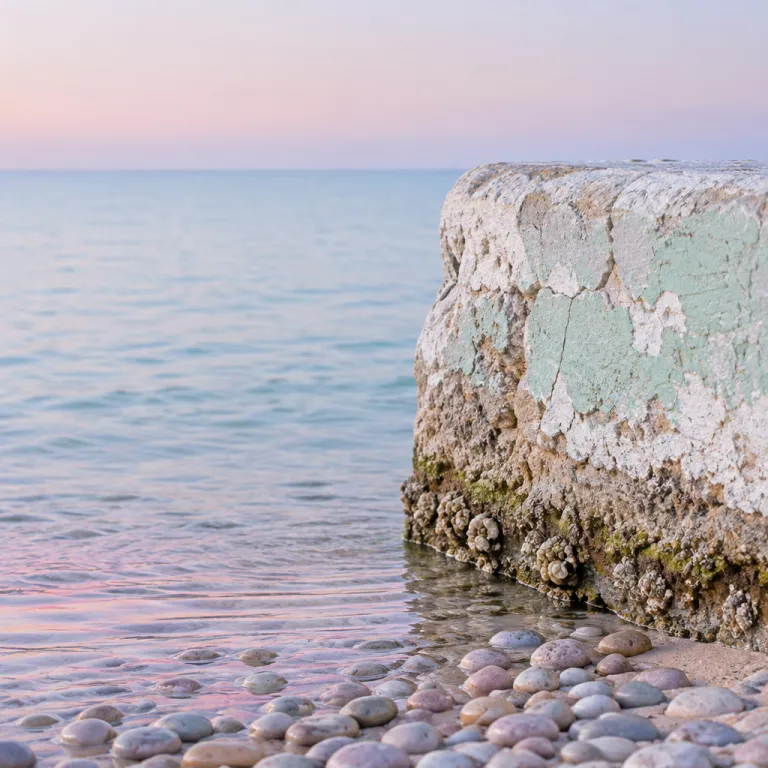
When the Aegean exhales: understanding turkey aegean off season
There is a precise moment along the Aegean coast of Turkey when the rhythm changes. The charter flotillas slip quietly out of the marinas, and the long beaches from İzmir province down to Muğla return to the people who actually live beside the Aegean Sea. For the solo traveller, this is when the Turkish Aegean off-season becomes the most rewarding version of the region, with quieter promenades, easier conversations and space to follow your own pace.
Along the Aegean coast of Turkey, the climate stays gentle well into late autumn, so you still swim in a warm sea while the sunbathers have gone home. In October and often into early November, sea temperatures commonly hover around 20–23°C, according to long-term averages from Turkish State Meteorological Service data, which feels comfortable for unhurried swims. The coastline feels calmer, the ancient rhythm of olive harvests and market days replacing the high season soundtrack of beach clubs and day boats, and the prices in every luxury resort soften as demand falls. This is the moment when the Turkish Aegean shifts from performance to authenticity, and when a premium hotel stay finally aligns with real value.
The Aegean region of Turkey stretches from the refined city İzmir in the north to the pine clad peninsulas of Muğla in the south. This region of coast Turkey holds some of the country’s most storied ancient city sites, from Ephesus to Priene, and many of these ancient ruins feel almost private in the off season. For travellers who care as much about a quiet national park trail or a deserted beach as about a polished spa, the off-season Aegean in Turkey is not a compromise but a strategy, a way to experience both coastal scenery and living culture without the summer crush.
What really stays open: towns with a year round pulse
Not every Aegean town in Turkey keeps its lights on once the last yacht leaves the marina. Some small resort villages on the peninsula near Bodrum or Çeşme effectively close, with only a few local cafés and one small market serving the winter community. Others, especially those anchored by a substantial town or city, maintain a genuine year round life that supports a richer Turkish Aegean off-season stay, with schools, hospitals and municipal services ensuring that daily routines continue.
İzmir Turkey is the clearest example of a coastal city that never sleeps, and this largest city of the Aegean region is officially the third largest city in the country. The city İzmir has a deep mercantile history that goes back thousands of years, and its waterfront Kordon promenade feels lived in every month, not just during summer. From here, you can visit nearby resort areas such as Alaçatı or Urla on day trips, using frequent buses or rental cars, with intercity coaches typically running at least hourly on main routes, enjoying their quieter streets while returning at night to a city with serious dining, culture and five star hotels that stay open all year.
Farther south in Muğla, Bodrum town keeps a steady off season heartbeat, even as some resort complexes on the surrounding peninsula close their gates. The castle, the marina and the old town lanes remain active, and luxury properties close to the centre tend to operate through winter with attractive rates for off-season Aegean Turkey guests. Mid-range hotels such as El Vino Hotel & Suites or The Marmara Bodrum often offer discounts of 25–40% compared with August prices, based on typical seasonal rate patterns published by local tourism boards. Families and solo travellers who still want water slides and pools can look to larger coastal resorts that market aquapark fantasy hotel experiences in Turkey’s coastal resorts, many of which now extend their season into the quieter months with indoor pools or partially heated outdoor facilities.
Bodrum, Çeşme and smaller towns: choosing your off season base
Choosing where to stay along the Turkish Aegean in the quieter months is less about the prettiest beach and more about the depth of the local community. Bodrum, Çeşme and the smaller towns scattered along the coastline each offer a different balance of calm, culture and convenience during the Turkish Aegean off-season. The right choice depends on how much solitude you want, and how much you still crave a good cocktail bar within walking distance, especially on cooler evenings when you may prefer to stay close to your hotel.
Bodrum sits on a dramatic peninsula in Muğla, with a harbour that has seen ships come and go for thousands of years. The town itself is compact, with whitewashed houses climbing the hill and a castle that guards the entrance to the bay, and this density helps it retain life when the crowds thin. Many premium hotels near the centre stay open, offering sea view rooms, heated pools and hammams at rates that would have been unthinkable only a few months ago, and Bodrum Milas Airport keeps the town within easy reach via short domestic flights from Istanbul and Ankara, usually under 90 minutes gate to gate.
Çeşme and Alaçatı, in İzmir province, feel different in turkey Aegean off season, with wind buffeting the aegean coast and surfers replacing sun loungers on the beach. Alaçatı’s stone houses and narrow streets can feel almost like a film set in winter, but enough restaurants, wine bars and design forward guesthouses remain open to make a long weekend feel indulgent rather than sleepy. If you want an even quieter base, look to the villages above the water on the Turquoise Coast, where guides to where to stay on the Turquoise Coast, Kaş, Kalkan and the villages above the water show how to combine coastal calm with elevated views and refined small scale luxury, especially for travellers who enjoy boutique hotels and terrace breakfasts.
Slow travel on the Aegean: ruins, lakes and long lunches
Once the heat softens and the crowds leave, the Turkish Aegean becomes a landscape for walking, thinking and lingering over meals. Ancient ruins that felt like open air theme parks in high season return to their original role as quiet thresholds between past and present. For solo travellers, this is when the off-season Aegean in Turkey reveals its deepest pleasures, with time to read site information panels, sit in the shade and simply listen to the wind.
The ancient city of Ephesus, near the coast Turkey in the wider Aegean region, is the most famous example, and it is transformed when you can walk its marble streets without tour groups. Stand in the theatre and imagine the voices that echoed here thousands of years ago, then continue to lesser known ancient ruins such as Priene or Miletus, where you may share the site with only a handful of visitors. These places were thriving city states years ago, and the sense of time collapsed is far stronger when you are not jostling for a photograph or hurrying after a guide’s flag.
Inland, Bafa Lake sits between the mountains and the sea, a serene basin that once formed part of a gulf connected to the Aegean Sea. Today, this lake and its surrounding national park offer hiking trails, rock formations and scattered temple remains that feel almost secret in the Turkish Aegean off-season. You can walk for hours, then return to the coast for a late lunch of grilled fish, olive oil dishes and crisp white wine, the very definition of coast happiness for travellers who value slowness over spectacle and prefer a shaded taverna table to a crowded beach club.
Trade offs, tactics and building a solo off season stay
Off season on the Aegean coast of Turkey is not a fantasy of endless sunshine, and that is part of its appeal. Days are shorter, the sea can turn suddenly from glassy calm to whitecaps, and your favourite beach club may be shuttered until spring. Planning a Turkish Aegean off-season trip means embracing these trade offs and using them to shape a more thoughtful itinerary, with flexible plans for both bright days and the occasional stormy afternoon.
Start by choosing a base in a genuine town or city, not an isolated resort complex on a remote peninsula, so that you always have cafés, markets and local restaurants within walking distance. İzmir, as the largest city in the Aegean region Turkey, offers the most urban energy, while Bodrum and Çeşme balance small scale charm with enough year round residents to keep things open. From any of these bases, you can visit ancient city sites, hike in a nearby national park or take a day trip along the coastline without feeling cut off, using a mix of intercity buses, dolmuş minibuses and short domestic flights that connect major hubs several times a day.
For solo travellers, the off-season Aegean Turkey is especially generous, with hotel teams having more time to engage and share local knowledge. You might spend a morning exploring the historic quarters of İzmir before flying to Istanbul to experience a different side of Turkish hospitality in areas such as Eminönü, where guides to Golden Horn history and luxury stays show how coast and city can complement each other. The key is to treat the entire Turkish Aegean as a connected region, one where sea, ruins, town life and quiet beaches all fit into a single, unhurried journey that feels coherent rather than rushed.
FAQ
Is the sea warm enough to swim during the turkey Aegean off season ?
Along much of the Aegean coastline in Turkey, sea temperatures remain comfortable for swimming into late autumn. In many resorts, the water stays around 20–23°C through October and only drops below about 18°C as winter approaches, based on average readings from coastal monitoring stations, so you often enjoy a warm Aegean Sea while the beaches are almost empty. Choosing a hotel with a heated pool gives you a reliable backup on cooler days.
Which Aegean towns in Turkey feel most alive outside summer ?
İzmir, Bodrum town and Çeşme retain the strongest year round pulse on the Turkish Aegean. Each has a resident community, functioning markets and restaurants that stay open beyond the main holiday season. Smaller resort villages on remote peninsulas tend to feel much quieter once the yachts and seasonal staff leave, so they suit travellers who are comfortable with limited dining and nightlife options.
Are luxury hotels on the Turkish Aegean cheaper in the off season ?
Rates at many premium coastal properties in Turkey drop significantly once peak season ends. You often find suites with sea views, spa access and generous breakfasts priced far below their summer levels, with reductions of 20–40% common between late October and early spring according to typical seasonal pricing patterns. Flexible dates and midweek stays usually secure the best value during the Turkish Aegean off-season.
What should solo travellers prioritise when booking off season stays ?
Solo travellers should prioritise locations within walking distance of a lived in town centre rather than isolated resorts. Look for properties that keep key facilities such as restaurants, spas and lounges open all year, and check recent guest reviews for comments about off season service. A strong sense of place and easy access to local cafés and markets matter more than proximity to a specific beach club, especially when daylight hours are shorter.
How many days are ideal for an off season Aegean itinerary in Turkey ?
A stay of seven to ten days allows you to combine one main base with two or three day trips along the Aegean coast. This duration gives enough time for ancient city visits, coastal walks, market browsing and unhurried meals without rushing. With more days, you can add a second base, such as pairing İzmir with Bodrum or Çeşme for a broader view of the region and a mix of city energy with small town harbour life.