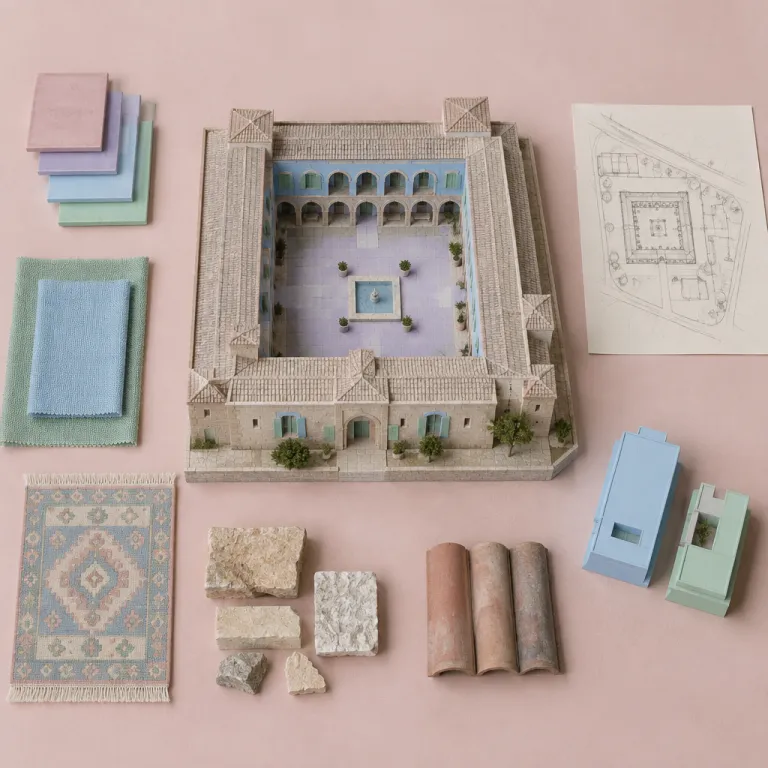
From fortress inn to design stay: what caravanserai hotels in Turkey really are
Caravanserai hotels in Turkey sit on the bones of an older system. Long before modern highways, Seljuk rulers mapped a grid of fortified inns across central Anatolia to protect trade and tax travelling merchants. Each caravanserai building was placed roughly a day journey apart along the main roads, so caravans could move silk and spices safely between the Mediterranean and Central Asia.
These Seljuk caravanserais were not romantic ruins but hard working infrastructure for an empire that understood trade routes as power. A typical han combined a monumental stone portal, a deep courtyard, stables, storage halls and sometimes a small mosque raised above the arches for prayer. Many caravanserais built on the main Silk Road routes in what is now central Turkey were financed directly by sultans, which is why names like Sultan Han or Sari Han still echo through the region.
When you book a caravanserai hotel in Turkey today, you are stepping into this layered history. The thick walls, barrel vaulted ceilings and inward facing courtyards were designed to keep travelers, animals and goods safe from the dangers of the middle ages roads. Modern hoteliers now work inside these stone shells, turning a caravanserai built for camels into suites for solo travelers who want atmosphere, not just amenities.
How to read a caravanserai: portals, courtyards and the language of stone
Walk up to any serious caravanserai in central Turkey and start with the portal. The entrance of a Seljuk han is usually a tall, recessed arch cut deep into the building, framed by intricate Islamic stone carving that once signaled imperial protection to travelling merchants. Look for geometric patterns, kufic inscriptions and animal motifs that quietly reference both the steppe cultures of Central Asia and the urban versions of Islamic art spreading from the Middle East and North Africa.
Step through and the courtyard explains how the place worked as a khan on the Silk Road. Around you, arcaded galleries open into rooms where traders slept, while the ground level once held animals and goods arriving from the Indian subcontinent or the ports of the eastern Mediterranean. In larger caravanserais Turkey inherited from the Seljuk empire, you may still see a small mosque on a raised platform in the centre of the courtyard, a literal reminder that faith, trade and power were braided together along these roads.
Some caravanserais built on colder plateaus also include covered halls behind the open courtyard, where caravans wintered under stone vaults blackened by centuries of smoke. When a property converts these spaces into guest rooms, the best versions caravanserais keep the original volumes visible instead of hiding them behind plasterboard. If you are pairing a caravanserai stay with time in southeastern heritage properties, use it as a counterpoint to the sandstone mansions of Mardin and Midyat, where Mesopotamian hotels tell a different chapter of the same long trade story.
From camel yard to comfort: the challenge of converting caravanserais into hotels
Turning a medieval caravanserai building into a place you actually want to sleep is harder than it looks. These structures were engineered for security and storage, not for light or privacy, which means any caravanserai hotel in Turkey walks a tightrope between authenticity and comfort. The most convincing conversions respect the original han layout while quietly inserting modern systems, rather than forcing the stone to behave like a new build resort.
Start with the rooms, which in many caravanserais Turkey offers today were once communal sleeping platforms or storerooms along the courtyard. When a property slices these into tiny cells with low ceilings, you lose the sense of scale that defined Seljuk caravanserais and the wider Silk Roads world. Better projects keep the height, expose the vaults and use warm textiles, underfloor heating and discreet lighting to soften the stone, especially in autumn when the diurnal range across central Anatolia makes thick walls a pleasure.
Public spaces tell you even more about whether a caravanserai Turkey conversion understands its own history. A thoughtful hotel will keep the small mosque intact, perhaps using it as a quiet reading room rather than a bar, and will leave at least part of the courtyard open to the sky so you can feel how caravans once circled their animals there. In Istanbul’s historic core, characterful stays such as the Empress Zoe hotel beside Hagia Sophia show how to work with layered stone and garden courtyards without turning them into theme parks.
Tracing the central Anatolian route: Konya, Cappadocia and the Silk Road inns
The most rewarding way to understand caravanserai hotels in Turkey is to treat central Anatolia itself as an open air museum. The road between Konya and Cappadocia follows one of the classic trade routes of the Seljuk empire, and several major caravanserais built along it now anchor meaningful stops for design minded travelers. Think of it as a slow tour stitched together by stone, where each han marks another day journey in the life of a medieval caravan.
Sultan Han, roughly midway between Konya and Aksaray, is the flagship example of Seljuk caravanserais on this axis, with a monumental portal and a vast courtyard that once sheltered hundreds of animals. Nearby Sari Han, closer to Cappadocia, offers a more intimate scale and shows how different caravanserai built for regional traffic could be from their imperial siblings. While not every site has been converted into a full hotel, several properties in the region now integrate restored caravanserai wings into their room inventory or spa circuits, letting you sleep or soak where silk road traders once haggled over bales of silk.
For a solo traveler, this central route is manageable by rental car, with modern roads shadowing the old Silk Road and Silk Roads branches that once ran toward the Black Sea or the Levant. Plan two or three nights in Cappadocia, then a night near Konya, using caravanserai hotels Turkey offers along the way as punctuation marks rather than mere stopovers. If you are travelling in the shoulder season, pair this inland itinerary with an autumn escape on the coast to feel how different climates and landscapes shaped the network of hans across the country.
Choosing the right caravanserai stay: a practical guide for solo travelers
Not every property using the word caravanserai in Turkey has a real historic core, so a little research pays off. Look for clear information about which parts of the building are original Seljuk or Ottoman fabric and which are later additions, and check whether the layout still reads as a han with a central courtyard and flanking halls. If the hotel never mentions a portal, a small mosque or the history of the trade routes it once served, you are probably looking at a themed pastiche rather than a genuine caravanserai built for the Silk Road.
As a solo traveler, focus on scale, atmosphere and access to context rather than just room count or spa menus. Smaller caravanserais Turkey has restored often create richer encounters, because staff have time to explain how travelling merchants moved between Central Asia, the Indian subcontinent and the Mediterranean ports. Ask whether the hotel offers a short tour of the property with someone who can point out details like reused Roman stones, Islamic inscriptions or traces of animal troughs along the courtyard walls.
Season matters too, especially in central Anatolia where stone holds both heat and cold with equal stubbornness. These caravanserai hotels in Turkey come into their own in autumn, when cool nights make thick walls and heated floors feel luxurious rather than austere. When you stand alone in a lamplit courtyard, hearing only your footsteps and the wind over the plateau, you understand that the distance between the middle ages and now is shorter than the distance between one day journey and the next.
FAQ about caravanserai hotels in Turkey
What exactly is a caravanserai and how does it differ from a khan ?
A caravanserai is a fortified roadside inn built along major trade routes to shelter caravans, animals and goods, usually spaced a day journey apart. The term khan is often used for similar structures in urban settings, where the building might focus more on storage and commerce than on large stables and open courtyards. In practice, many historic sources use caravanserai and khan interchangeably, but rural hans on the Silk Road were typically larger and more defensive.
Are caravanserai hotels in Turkey comfortable for modern luxury travelers ?
Well executed conversions of caravanserais in Turkey can be very comfortable, but the experience is different from a purpose built luxury resort. Rooms often feature thick stone walls, high vaulted ceilings and smaller windows, which create atmosphere but can feel austere if not softened with good lighting and textiles. When evaluating options, look for underfloor heating, quality bedding and thoughtful public spaces that respect the original architecture while meeting contemporary expectations.
Where is the best region to experience historic caravanserais in Turkey ?
Central Anatolia offers the highest concentration of monumental Seljuk caravanserais, especially along the corridor between Konya, Aksaray and Cappadocia. This region follows a historic branch of the Silk Road, so you can visit several hans such as Sultan Han and Sari Han on a single trip. Coastal areas and big cities may have urban versions of caravanserais or khans, but the classic fortress inns sit inland on the old plateau roads.
How can I tell if a caravanserai themed hotel is genuinely historic ?
A genuine caravanserai hotel will usually provide clear historical information, including the approximate century it was built and which empire commissioned it. You should be able to identify a monumental entrance portal, a central courtyard and traces of stables or storage halls, sometimes with a small mosque on a raised platform. If the property lacks these elements and offers only generic arches and stone cladding, it is likely a modern construction inspired by the style rather than an authentic han.
Is staying in a caravanserai suitable for solo travelers concerned about safety and logistics ?
Staying in caravanserai hotels in Turkey is generally safe for solo travelers, especially along well traveled routes between major cities and regions like Cappadocia. Many of these properties are small, owner managed hotels where staff quickly learn your name and can help with transfers, local guides and onward transport. As with any trip, choose reputable accommodations, share your itinerary with someone you trust and avoid driving unfamiliar rural roads at night.
Sources and further reading
For deeper historical and architectural context, consult publications and databases from UNESCO, the Turkish Ministry of Culture and Tourism, and the Aga Khan Trust for Culture.