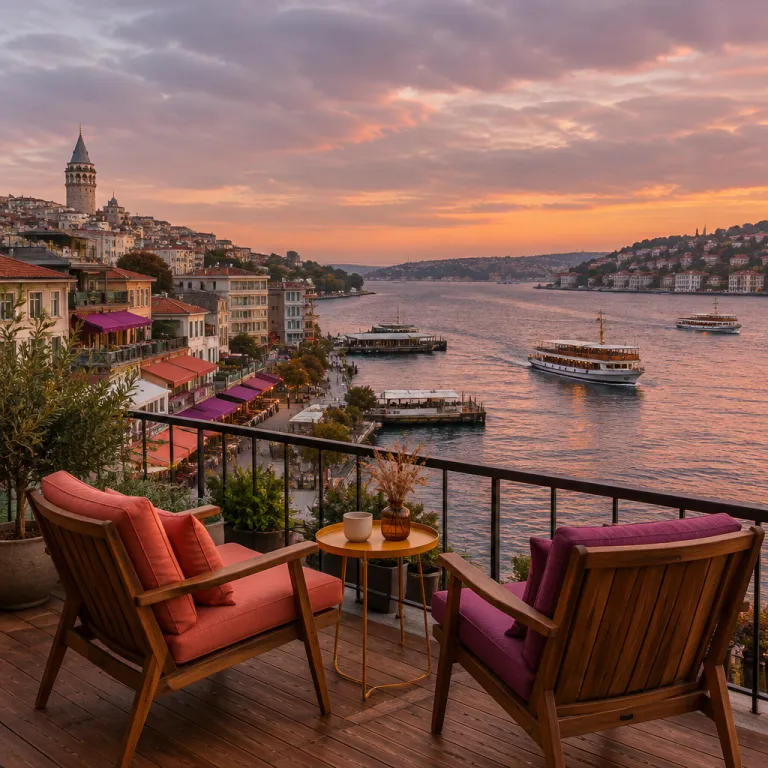
Mapping where to stay in Istanbul for a first visit
Choosing where to stay in Istanbul shapes every hour of your trip. The city stretches across two continents, and each neighborhood offers a different rhythm, set of views and style of hotels. A well chosen area stay in this city saves time, protects your energy and quietly upgrades every night and morning.
For a first timer, the instinct is usually to book a hotel in Sultanahmet, because this historic district holds Hagia Sophia, the Blue Mosque and Topkapi Palace within a compact radius. The pros staying in Sultanahmet are obvious ; you can walk to the grand monuments at dawn, slip back to your rooms for a rest and head out again when the tour buses thin. The cons staying here are just as real, since this area can feel crowded, tourist focused and noticeably quieter at night once day trippers leave.
When you stay Istanbul for the first time, think of Sultanahmet as an open air museum rather than a complete city experience. It is the best area for intensive sightseeing, but not always the best neighborhood for dining depth or late evening atmosphere. Many of the best hotels here lean into heritage charm, and an intimate stay beside Hagia Sophia at a characterful historic property can work beautifully for two or three nights.
Within Sultanahmet, the streets around the Hippodrome and the tram line are the most convenient area to stay for quick access to the grand bazaar and the Spice Market. You will find a mix of small independent hotels and larger properties, many with roof terraces facing the Bosphorus and the Golden Horn. Ask clearly where your rooms are located in the building, because some older structures have compact layouts and limited soundproofing.
From Sultanahmet, you can walk or take the tram across the Galata Bridge to reach the more contemporary districts on the European side. This connection between the historic peninsula and the newer city makes it easy to split your stay between two areas. Many repeat visitors now book a short stay in Sultanahmet followed by a longer stay in a livelier district such as Karakoy or Beyoglu.
For business leisure travelers, the key question is where to stay in Istanbul if you need both meetings and meaningful sightseeing. In that case, Sultanahmet works best as a focused cultural base, while your main hotel might be in Besiktas, Nisantasi or along the Bosphorus. Thinking in these terms helps you weigh the pros staying in each district against the cons staying there for your specific trip.
Sultanahmet, the historic peninsula and the trade offs of staying by the monuments
Sultanahmet is the postcard side Istanbul, the district where Hagia Sophia and the Blue Mosque rise above a tight grid of streets. Staying here means you wake within a few hundred metres of the city’s most important monuments, which is a powerful advantage if this is your first time in Istanbul. The best area within the district runs between Hagia Sophia and the tram line, where you can walk to the grand bazaar in around fifteen minutes.
The pros staying in Sultanahmet start with time. You can visit Hagia Sophia at opening, return to your hotel for breakfast, then cross to the grand bazaar before the crowds peak. At night, the illuminated domes and minarets give the neighborhood a theatrical calm, and some hotels offer rooms with direct monument views that feel almost unreal.
The cons staying in this district are mostly about atmosphere and logistics. Sultanahmet is not the best neighborhood for late night dining, and many restaurants here focus on short stay visitors rather than a local clientele. If you care deeply about where eat in Istanbul, you will probably spend your evenings crossing to Karakoy, Galata or Beyoglu for more ambitious kitchens.
Traffic restrictions in the historic peninsula also affect where stay decisions. Some streets are closed to cars during the day, which keeps the area pleasant but complicates airport transfers and business meetings. When you choose hotels here, ask how close vehicles can approach the entrance, especially if you are arriving with luggage or leaving for an early flight.
Rooms in Sultanahmet hotels vary widely in size and sound insulation, because many properties occupy converted mansions or historic buildings. The best hotels will be transparent about square metres, bed types and whether your windows face a quiet courtyard or a busy street. For a refined, heritage focused stay Istanbul experience, a carefully chosen property near Hagia Sophia can still be one of the best areas to begin your trip.
Some travelers now split their time between a characterful hotel in Sultanahmet and a second base closer to the Golden Horn or the Bosphorus. This two area stay strategy lets you enjoy the pros staying near the monuments without being locked into the cons staying there for an entire week. It also reflects how the city itself functions, with the historic peninsula as a daytime stage and the newer districts as the evening heart.
Karakoy, Galata and Beyoglu: design, dining and the new heart of the city
Cross the Galata Bridge from Sultanahmet and you enter Karakoy, Galata and Beyoglu, the trio that now defines where to stay in Istanbul for many design minded travelers. This side of the Golden Horn feels like the city’s creative engine, with galleries, cocktail bars and independent shops filling former warehouses and townhouses. If you want a neighborhood that works from breakfast meetings through late night drinks, this is often the best area to stay.
Karakoy sits right on the waterfront, where ferries glide across the Golden Horn and cruise ships dock nearby. The pros staying in Karakoy include easy access to both the historic peninsula and the Bosphorus ferries, plus a dense cluster of cafés and restaurants that make deciding where eat almost too easy. The cons staying here are mostly about noise and traffic, because this district hums from early morning deliveries to late night bar crowds.
Climb the hill from Karakoy and you reach Galata, crowned by the cylindrical Galata Tower that has watched over the city for centuries. Staying near Galata Tower places you between the waterfront and Istiklal Street, the main pedestrian spine of Beyoglu, which is ideal if you want to walk everywhere. The best hotels in this area balance heritage architecture with contemporary interiors, and many offer rooms with sweeping views over the Golden Horn and the historic peninsula.
Beyoglu itself stretches along Istiklal Street and into side streets filled with meyhanes, wine bars and small galleries. This district is where local residents, students and visitors mix most naturally at night, which makes it a great neighborhood if you want to feel part of the city rather than a spectator. The pros staying in Beyoglu include strong public transport, varied dining and a sense of urban energy that many guests find addictive.
The cons staying in Beyoglu and around Taksim Square relate to crowds and, in some pockets, late night noise. Taksim Square is a major transport hub on the European side, but the immediate surroundings can feel anonymous compared with the more characterful streets of Cihangir, Pera or Çukurcuma. When you choose where stay in this district, look for hotels on quieter side streets that still sit within a short walk of Istiklal Street.
For travelers who know they will return to Turkey, basing in Beyoglu or Galata can be as strategic as choosing a thoughtful base in Izmir for wine country and coastal dining. These areas reward repeat visits, because each stay Istanbul reveals new corners, from hidden courtyards to rooftop bars facing the Golden Horn. If your priority is a balance of culture, nightlife and design forward hotels, this is often the best areas cluster to consider.
Besiktas, Nisantasi and the Bosphorus villages: residential luxury and water views
Move north along the European side and the city softens into residential districts and waterfront villages. Besiktas, Nisantasi and the Bosphorus neighborhoods from Ortakoy to Bebek offer a different answer to the question of where to stay in Istanbul. Here, the rhythm is more local, the air feels fresher and the water is rarely out of sight for long.
Besiktas is a working district with a strong local character, busy markets and excellent transport connections by road and ferry. The pros staying in Besiktas include quick access to both business districts and the Bosphorus, plus a dining scene that locals actually use every night. The cons staying here are mainly traffic and noise on main roads, so the best hotels tend to sit slightly back from the busiest arteries.
Nisantasi, just uphill from Besiktas, is the city’s most polished shopping neighborhood, with international luxury brands, Turkish designers and refined cafés. If you care about where eat and where shop as much as where stay, this district can be the best area to stay Istanbul for a business leisure trip. Rooms in Nisantasi hotels often feel more spacious than in the historic core, and the clientele skews toward fashion, media and corporate guests.
Along the Bosphorus itself, villages such as Ortakoy, Kuruçeşme and Bebek offer waterfront promenades, elegant mansions and some of the best hotels in the city. An elegant stay at a Bosphorus facing property, such as those reviewed in depth in our guide to a refined Bosphorus hotel experience, gives you front row seats to the city’s maritime life. The pros staying in these areas include sunrise over the water, quieter nights and a sense of escape that is rare in a city of this size.
The cons staying along the Bosphorus relate mostly to distance from Sultanahmet and the historic peninsula. Traffic along the coastal road can be heavy at peak times, which means you must plan carefully when you want to visit Hagia Sophia or the grand bazaar. For many guests, the trade off is worth it, because returning to a calm waterfront hotel after a dense day of sightseeing feels like a reset.
When you evaluate where to stay in Istanbul for a longer trip, consider splitting your time between a central district such as Beyoglu and a Bosphorus village. This two base strategy lets you enjoy both the urban intensity of the city and the slower rhythm of the water. It also reflects how many local residents live, with work anchored in the city centre and evenings spent along the strait.
The Asian side: Kadikoy, Uskudar and the contrarian choice
Most first time visitors never sleep on the Asian side of Istanbul, but that is changing. Kadikoy and Uskudar now attract travelers who want a more local neighborhood and a different answer to where to stay in Istanbul. The ferry ride across the Bosphorus becomes part of daily life, not a one off excursion.
Kadikoy is the food obsessed heart of the Asian side, with markets, meyhanes and cafés that set the tone for where eat in the city. The pros staying in Kadikoy include excellent value for money, a young creative energy and some of the best bar hopping in Istanbul. The cons staying here are mainly about distance from Sultanahmet and the grand bazaar, because you must factor in ferry times and connections whenever you cross to the European side.
Uskudar, further north along the Asian shore, feels more traditional and residential, with mosques, waterfront promenades and views back to the historic peninsula. Staying here suits travelers who value calm nights and morning walks by the water over immediate access to nightlife. The best area to stay in Uskudar is close to the ferry piers, where you can move easily between this district, Besiktas and Karakoy.
For repeat visitors, the Asian side can become the default base, with day trips to the European side for specific museums or meetings. This pattern flips the usual stay Istanbul logic, turning the historic peninsula into a destination rather than a home base. It also exposes you to a different set of hotels, often with more space and a stronger local clientele.
When you compare the European side and the Asian side, think in terms of your daily routes. If most of your appointments or interests sit around Taksim Square, Besiktas or Nisantasi, then crossing the Bosphorus twice a day may feel like a chore. If, however, you want to feel embedded in a local district and do not mind the ferry ritual, the pros staying on the Asian side can outweigh the cons staying there.
In practical terms, the Asian side works best for longer trips, second or third visits and travelers who already know where stay on the European side. It is less ideal if you have only two or three nights and want to focus on Hagia Sophia, the grand bazaar and the museums of the historic peninsula. As with every area stay decision in this city, clarity about your priorities will guide you to the right shore.
Trip types and matching your neighborhood: business, romance, family and nightlife
Once you understand the main districts, the next step is to match where to stay in Istanbul to your trip type. A business leisure traveler extending meetings into a long weekend has different needs from a couple on a romantic escape or a family with children. The same city, and even the same neighborhood, can feel entirely different depending on why you are here.
For business focused stays, Besiktas, Nisantasi and parts of Beyoglu near Taksim Square work best. These areas offer quick access to corporate offices, strong transport links and hotels with meeting rooms, reliable Wi Fi and quiet rooms for calls. The pros staying here include predictable logistics and a short commute, while the cons staying might be a slightly longer ride to Sultanahmet for sightseeing.
Couples often ask where stay for a romantic trip that still feels connected to the city. In that case, Galata, Cihangir and the Bosphorus villages such as Ortakoy or Bebek are strong candidates, because they combine atmospheric streets with water views and refined dining. The best hotels in these areas tend to offer fewer but larger rooms, with thoughtful design and terraces that make every night feel special.
Families usually prioritise space, walkability and straightforward transport, which changes the neighborhood equation. Sultanahmet can work well for a short family stay Istanbul, because you can walk to Hagia Sophia, the grand bazaar and the Archaeology Museums without long journeys. For longer trips, however, districts like Nisantasi or parts of the Asian side offer parks, playgrounds and more relaxed streets that children often prefer.
Nightlife oriented travelers gravitate toward Beyoglu, Karakoy and Kadikoy, where bars, clubs and late night eateries cluster. Here, the pros staying include being able to walk home at night and having multiple options for where eat after midnight. The cons staying in these neighborhoods are mainly about noise, so choosing hotels with good soundproofing and rooms on higher floors becomes essential.
Whatever your trip type, remember that Istanbul is a layered city where the best area for one person can be the wrong choice for another. A quiet side street in Beyoglu might be perfect for a week of gallery hopping and meetings, while a waterfront hotel in Bebek suits someone who values morning runs along the Bosphorus. Thinking honestly about how you spend your days and nights will lead you to the right district faster than any generic list of best areas.
Practical logistics: transport, walking distances and how the city really works
Beyond atmosphere and aesthetics, the most underrated part of deciding where to stay in Istanbul is transport. This is a city of bridges, hills and waterways, and the map can be deceptive if you only look at straight line distances. A hotel that seems close to the historic peninsula may in reality require a tram, a funicular and a steep walk.
On the European side, the main public transport spine runs from Sultanahmet across the Galata Bridge to Karakoy, then up to Beyoglu and Taksim Square. Staying near this axis gives you flexibility, because you can move between districts without relying solely on taxis. The pros staying close to tram or metro lines include predictable journey times, while the cons staying right on main roads can be traffic noise and less charm.
Ferries across the Golden Horn and the Bosphorus are not just scenic ; they are often the fastest way to move between areas. A stay Istanbul that uses ferries regularly feels different, because the water becomes part of your mental map and daily routine. When you evaluate hotels, check walking distances to ferry piers in Besiktas, Karakoy, Uskudar and Kadikoy.
Hills also matter more than many first time visitors expect. The climb from Karakoy up to Galata Tower and Istiklal Street is short but steep, which can be tiring if you repeat it several times a day. If mobility is a concern, you may prefer to stay either at the top of the hill in Beyoglu or closer to the waterfront in Karakoy, rather than commuting between the two.
Traffic patterns influence where stay decisions, especially if you have early flights or fixed meeting times. The coastal road along the Bosphorus can be slow during rush hours, while the bridges between the European side and the Asian side sometimes back up. In practice, this means that a hotel in Besiktas might be more efficient for airport access than one further north in Bebek, even if the latter has better views.
Finally, remember that Istanbul rewards those who think in districts and areas rather than single streets. Ask yourself which neighborhood you want to wake up in, where you expect to spend most evenings and how often you plan to cross between the European side and the Asian side. Once those answers are clear, the choice of hotel and rooms becomes a refinement rather than a gamble, and the pros staying in your chosen district will almost always outweigh the cons staying there.
Key figures on Istanbul tourism and hotel stays
- Istanbul welcomed over 20 million international visitors recently, making it one of the top ten most visited city destinations worldwide according to the Turkish Ministry of Culture and Tourism ; this sustained demand supports a wide range of luxury and premium hotels across multiple districts.
- The average hotel occupancy rate in Istanbul has hovered between 65 and 75 percent in recent years, with peak periods during spring and autumn, based on data from the Turkish Hoteliers Association ; booking early is especially important in Sultanahmet, Beyoglu and Bosphorus areas.
- Roughly two thirds of visitors stay on the European side, while about one third choose the Asian side or split their stay, according to Istanbul Provincial Directorate of Culture and Tourism figures ; this reflects the concentration of historic sites and business districts on the European shore.
- Travel time from Istanbul Airport to central districts ranges from about 35 to 60 minutes by car in typical traffic, with Sultanahmet and Beyoglu usually reached faster than the upper Bosphorus villages ; this difference can significantly affect early morning or late night arrivals.
- Public transport coverage includes more than 250 kilometres of metro and tram lines across the metropolitan area, as reported by Istanbul Metropolitan Municipality ; staying within a 500 metre walk of a station or major ferry pier often cuts daily travel times by 20 to 30 percent.
FAQ: where to stay in Istanbul
Which neighborhood is best for a first time stay in Istanbul ?
For a first visit, Sultanahmet is usually the best area because Hagia Sophia, the Blue Mosque, Topkapi Palace and the grand bazaar sit within walking distance. Many travelers then spend a second part of their stay in Beyoglu or Karakoy to experience the city’s contemporary side. This combination balances intensive sightseeing with a more local neighborhood atmosphere.
Where should I stay for nightlife and restaurants ?
Beyoglu, Karakoy and Kadikoy are the strongest choices if nightlife and dining are priorities. These districts offer dense clusters of bars, meyhanes and contemporary restaurants, so you can walk between venues and back to your hotel at night. Look for properties on quieter side streets to enjoy the pros staying near the action without the cons staying directly above it.
Is the Asian side a good place to stay in Istanbul ?
The Asian side, especially Kadikoy and Uskudar, is an excellent base for repeat visitors or longer trips. You gain a more local neighborhood feel, strong food scenes and often better value hotels, but you must accept longer journeys to Sultanahmet and the historic peninsula. If you enjoy ferry rides and want to live more like a resident, the pros staying here can outweigh the cons staying further from the main monuments.
Which area is most convenient for business travelers ?
Besiktas, Nisantasi and parts of Beyoglu near Taksim Square are usually best for business travelers. These districts sit close to major office zones, offer reliable transport and have hotels with meeting facilities and business friendly services. From here, you can still reach Sultanahmet and the grand bazaar by tram, metro or taxi for evening sightseeing.
How many nights should I stay in Istanbul and should I split my stay ?
A stay of four to six nights allows you to see the main sights without rushing and to explore several neighborhoods. Many experienced visitors now split their stay between Sultanahmet for two nights and a second district such as Beyoglu, Karakoy or a Bosphorus village for the remaining nights. This approach lets you enjoy both the historic core and a more local or waterfront area stay without constant long cross city journeys.