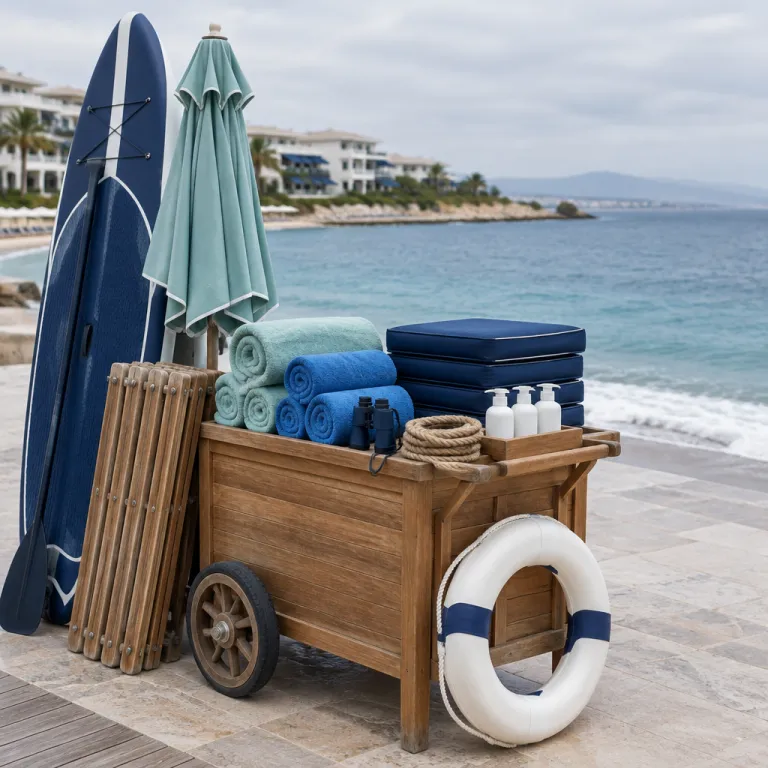
Kirman coastal elegance and the art of refined Turkish stays
Kirman coastal properties in Turkey bring together refined architecture, attentive service, and a calm Mediterranean atmosphere. Guests who choose a Kirman resort along the Kirman coast often seek a seamless balance between privacy and access to lively seaside promenades. Over the years, this combination has positioned each Kirman hotel as a reference point for premium coastal stays in the country.
Many travellers first encounter the name Kirman while researching Antalya’s coastal resorts and then compare it with the historic city of Kerman in Iran, famous for its textiles and trading heritage. That parallel is useful, because the traditional Persian Kirman rug from the city of Kerman sets a benchmark for craftsmanship, and the best Kirman hotels in Turkey aim for the same commitment to quality in hospitality. When you read any detailed guest review, you often see parallels drawn between the rich colours of a Persian rug and the layered design choices that define the interiors of these seaside retreats.
In practice, the Kirman group of coastal properties focuses on three pillars that matter to discerning guests. First comes service, where a friendly and well trained team anticipates needs rather than reacting to them, which helps every guest feel special from arrival to departure. Second comes design, where the colours of Kirman interiors echo the green gardens, the blue sea, and the warm earth tones of the surrounding landscape, while the third pillar is a clear commitment to quality in food, wellness, and curated local experiences.
Travellers who value heritage often appreciate how the Kirman brand subtly references the trading routes that once linked Anatolia to the Persian Gulf and to Iran. While you are not staying in the historic city of Kerman itself, the narrative of Persian Kirman textiles and the elegance of every original Persian rug still inform the visual language of many public spaces. This storytelling approach helps a modern coastal resort feel rooted in something older and more meaningful than a simple sun and sea escape.
For guests comparing options online, the digital experience of booking a Kirman stay is just as important as the physical one. A detailed gallery, transparent room descriptions, and verified review summaries on platforms such as Google help you evaluate whether a specific Kirman property suits a couple, a multi generational family, or a group of friends. When a hotel’s online presence reflects the same care and precision as its lobby or spa, you gain confidence long before you reach the coast.
How kirman coastal resorts serve couples, families, and multigenerational trips
Planning a coastal holiday in Turkey often means balancing different expectations within one travelling party. Kirman resorts along the Kirman coast are designed to welcome both couples seeking quiet time and families needing space, activities, and reliable service. The key is how each property zones its large grounds to create distinct atmospheres that still feel connected.
For couples, certain Kirman hotels such as Kirman Sidera Luxury & Spa or Kirman Leodikya Resort offer adult focused pools, refined à la carte restaurants, and spa suites where the colours of Kirman inspired textiles and soft lighting create a calm retreat. These areas often feature original design pieces that echo the intricate borders of a Persian rug, translating textile patterns into wall panels, headboards, or floor mosaics. When combined with discreet, friendly staff and a clear commitment to quality in wellness treatments, the result is a setting where you genuinely feel special throughout your stay.
Families, by contrast, tend to prioritise safe swimming areas, kids’ clubs, and flexible dining. Many Kirman properties respond with large family rooms, shaded children’s pools, and green lawns where younger guests can play within sight of the sea. Parents appreciate when a hotel’s online review history highlights consistent care for children’s needs, because this signals that the team understands how to manage energy levels, meal times, and early bedtimes without stress.
For honeymooners or couples planning a romantic escape outside the peak summer months, coastal Turkey offers excellent value. A Kirman resort can be paired with a quieter shoulder season itinerary, and resources such as this guide to autumn honeymoons in Turkey help you time your trip for softer light and fewer crowds. In such periods, the service ratio often feels even more generous, and the experience of walking through near empty, green gardens can be just as memorable as a busy summer beach.
Multigenerational trips bring another layer of complexity, because grandparents, parents, and children all travel together. Here, Kirman properties with interconnected rooms, accessible pathways, and quiet lounges near the sea allow each generation to move at its own pace. In one 2023 review from a three generation family staying at Kirman Belazur Resort & Spa, a guest noted that “my parents could rest in the shade while the kids joined the mini club, and we still met easily for dinner every night,” capturing how thoughtful layouts support different rhythms.
Online planning tools make this easier, but they also require discernment. Looking at Google ratings alone is not enough; you need to read several years of comments to understand how consistently a Kirman hotel delivers on its promises. Pay attention to repeated mentions of friendly service, cleanliness, and food quality, because these are the areas where a true commitment to quality shows up in everyday details.
Design, colors, and the persian kirman inspiration behind coastal interiors
One of the most distinctive aspects of many Kirman coastal properties is their visual identity. Rather than relying solely on generic seaside motifs, designers often draw inspiration from the colours of Kirman textiles and from the artistry of the traditional Persian Kirman rug. This creates interiors that feel both contemporary and anchored in a wider cultural story.
In practice, you might notice lobby carpets whose patterns echo the medallions of an original Persian rug, or wall panels that reinterpret the floral motifs of Kerman weavers from Iran. These references are rarely literal copies; instead, they translate the rhythm and geometry of Persian rug borders into modern lines, soft curves, and layered textures. The result is a space where the eye travels comfortably, guided by repeating shapes and harmonious colour transitions.
Guest rooms often continue this narrative with subtle details. Bed runners, cushions, and headboard fabrics may use the same colours of Kirman inspired palettes, combining deep blues, soft greens, and warm terracotta tones that recall both the sea and the earth. When natural light enters through large windows and falls across these textiles, the room gains a sense of depth that a plain white scheme could never achieve.
Public areas such as lounges and corridors are equally considered. Here, the design team often plays with scale, using large format tiles or artworks that reference the structure of a Persian rug but in an oversized, almost architectural way. This approach helps long corridors feel intentional rather than purely functional, and it reinforces the idea that every transition space is part of the overall experience.
Outside, the green landscaping around many Kirman resorts is planned to echo interior colours, with plantings that mirror the blues, greens, and sandy neutrals found indoors. When you move from a shaded garden to a pool terrace and then to the beach, the continuity of colours and materials makes the entire Kirman coast property feel like one coherent composition. This is where the commitment to quality in design becomes tangible, because nothing appears accidental or improvised.
Travellers interested in architecture and design can deepen their understanding of this approach by reading about how historic caravanserais along the Silk Road have influenced modern hospitality spaces. A useful starting point is this article on how Central Anatolia’s caravanserais became design led hotels, which shows how heritage buildings inform contemporary aesthetics. When you view Kirman interiors through that lens, the references to Kerman, the Persian Gulf trade routes, and the artistry of Persian rugs become even more meaningful.
Service, digital reviews, and what to check before booking kirman stays
Choosing the right Kirman property along Turkey’s coast involves more than comparing room photos. Service culture, management stability, and the way a hotel responds to feedback over the years all shape your eventual experience. A thoughtful traveller treats online research as a tool to read between the lines, not just to scan star ratings.
Start by looking at Google reviews and other major platforms, but focus on patterns rather than isolated comments. When you see repeated praise for friendly staff, attentive care, and consistent cleanliness, you can infer a strong commitment to quality from the Kirman group managing that property. Conversely, if several detailed reviews mention the same unresolved issue, such as noise or slow restaurant service, you should ask the hotel directly how they have addressed it.
Pay attention to the language used in guest feedback. Families often highlight whether they felt genuinely welcome, whether children were treated with patience, and whether staff went beyond standard procedures to help them feel special. Couples might focus more on privacy, spa quality, and whether the atmosphere in adult oriented areas matched the promise of calm and refinement.
Another useful indicator is how management responds publicly to criticism. A professional reply that acknowledges specific concerns, outlines corrective steps, and invites the guest to return shows that the team takes long term reputation seriously. Over several years, this pattern of transparent communication builds trust and reassures new guests that their own experience will receive the same level of care.
When comparing different Kirman properties, consider the scale of each resort. Large complexes can offer more restaurants, pools, and activity options, but they require stronger operational systems to maintain service quality across every outlet. Smaller coastal hotels may feel more intimate, yet they still need robust training and clear standards to ensure that every interaction, from check in to housekeeping, reflects the same high expectations.
Finally, remember that a polished website is only the starting point. Before you confirm a booking, send a short email with any special requests, such as dietary needs, accessibility requirements, or celebrations for a family member. The speed, clarity, and tone of the reply will tell you a great deal about how the Kirman team will handle your stay once you arrive on the Kirman coast.
Kirman coastal locations, marina life, and regional contrasts
Turkey’s coastline is long and varied, and Kirman properties tend to cluster in areas that combine reliable weather, good infrastructure, and access to both beaches and culture. When you plan a trip, it helps to understand the differences between regions such as Antalya, the Turkish Riviera, and the more yacht focused stretches of the Aegean. Each area offers a distinct rhythm, and the right choice depends on how you like to balance relaxation with exploration.
Antalya and its neighbouring resorts are often the first names that come to mind when travellers think of the Kirman coast. Here, large all inclusive properties sit alongside more compact premium hotels, all benefiting from long sandy beaches and a backdrop of green mountains. The city of Antalya itself offers museums, a historic harbour, and easy access to ancient sites, which makes it a strong base for guests who want both resort comfort and cultural day trips.
Further west, the yacht marinas of Göcek, Bodrum, and Yalıkavak attract a different crowd. While not every Kirman property sits directly in these towns, many guests combine a stay at a Kirman resort with day visits to marinas, and this guide to marina life on Turkey’s yacht coast is a useful reference. The atmosphere here is shaped by sleek boats, waterfront restaurants, and a social season that peaks when the weather is warm but not overwhelming.
Regional contrasts also extend to landscape and colour. Some Kirman resorts sit amid dense, green pine forests that run almost to the water’s edge, while others overlook wide, open bays where the horizon feels endless. Designers often respond by adjusting the colours of Kirman interiors to reflect their setting, using cooler tones in forest backed locations and warmer, sun drenched palettes in more open coastal areas.
For travellers interested in broader regional history, it is worth remembering that these coasts once formed part of trade routes linking Anatolia to the Persian Gulf and beyond. Goods from Iran, including textiles from the city of Kerman and the famous Persian Kirman rugs, would have passed through ports not far from today’s resorts. Staying in a modern Kirman hotel, you are never far from traces of that layered past, whether in a local museum or in the motifs woven into a lobby carpet.
When choosing your base, consider practicalities such as transfer times from the nearest airport, the availability of excursions, and the type of coastline you prefer. Families may favour gently shelving sandy beaches, while couples might enjoy quieter coves or marinas where evening walks along the water feel particularly atmospheric. Matching your expectations to the specific strengths of each Kirman coastal location is the surest way to create an experience that feels both relaxed and memorable.
From persian rugs to modern kirman hospitality standards
The connection between the historic city of Kerman in Iran and modern Kirman hospitality in Turkey is more than a poetic metaphor. Both worlds revolve around the idea that true luxury lies in the details, whether in the knot count of a Persian rug or the precision of daily service routines. When you understand this parallel, you can evaluate hotels with a more informed and nuanced eye.
Traditional Persian Kirman rugs are renowned for their intricate patterns, balanced compositions, and rich yet harmonious colour schemes. Each piece reflects years of accumulated expertise, with weavers passing techniques from one generation to the next within the same family or workshop. In a similar way, many Kirman properties in Turkey rely on teams who have worked together for years, building a shared culture of care that guests can sense in small, consistent gestures.
Consider how housekeeping operates in a well run Kirman resort. Rooms are not only cleaned but also reset with attention to symmetry, lighting, and the placement of textiles, echoing the ordered beauty of a carefully laid rug. Public spaces are checked throughout the day so that cushions remain aligned, pathways stay clear, and green areas look tended rather than merely maintained.
Food and beverage standards follow the same philosophy. Menus often highlight regional ingredients, presented in ways that respect tradition while meeting modern expectations for lighter, fresher dishes. When guests leave a detailed review praising both breakfast variety and dinner quality, they are effectively recognising the hotel’s commitment to quality in sourcing, preparation, and presentation.
Service training also draws on this craft mindset. Staff learn not only procedures but also the art of reading guests’ moods, adjusting their approach so that each interaction feels original rather than scripted. Over time, this creates an atmosphere where visitors from different countries, cultures, and age groups all feel special in ways that matter to them personally.
For travellers who appreciate the story behind their surroundings, this blend of Persian Kirman heritage and contemporary Turkish hospitality adds depth to a coastal holiday. You are not simply staying by the sea; you are participating in a living tradition that values patience, precision, and beauty in everyday life. That awareness can turn even a short stay into an experience that lingers in memory long after you roll up your suitcase and leave the Kirman coast behind.
Key figures on Turkey’s coastal tourism and premium stays
- According to the Turkish Statistical Institute’s tourism statistics for 2019, Turkey welcomed 51.7 million international visitors in that pre pandemic year, with a significant share choosing coastal regions such as Antalya and the Aegean Riviera.
- Data from the Ministry of Culture and Tourism show that Antalya alone regularly records more than 30 percent of all international arrivals to Turkey; in 2019 the province hosted over 15 million foreign visitors, underlining its importance as a hub for premium and luxury seaside hotels.
- Industry analyses from organisations such as STR indicate that upscale and luxury hotels along Turkey’s Mediterranean and Aegean coasts often achieve higher average occupancy rates than inland properties during peak summer months; STR’s 2019 regional performance reports highlight coastal resorts as consistent leaders on this metric.
- Reports from the World Travel & Tourism Council, including its 2023 “Turkey: Economic Impact” study, highlight that travel and tourism contribute more than 10 percent to Turkey’s GDP when direct and indirect effects are combined, with coastal tourism playing a central role in this economic impact.
- Surveys by major online travel agencies, summarised in their 2022 and 2023 trend reports, consistently rank Turkey among the top global destinations for all inclusive and family oriented seaside holidays, with guest satisfaction scores for service and value frequently exceeding regional averages.
Frequently asked questions about kirman coastal stays in Turkey
What distinguishes a kirman coastal hotel from other Turkish resorts ?
Kirman coastal hotels typically emphasise a blend of refined design, attentive service, and well planned green spaces that connect directly to the sea. Many properties focus on creating distinct zones for couples, families, and multigenerational groups, so different types of guests can share one resort without compromising their expectations. This combination of thoughtful zoning and a clear commitment to quality in food, wellness, and daily operations sets them apart from more generic seaside options.
How should I evaluate online reviews before booking a kirman stay ?
When reading reviews on Google or other platforms, look for patterns over several years rather than focusing on isolated comments. Consistent praise for cleanliness, friendly staff, and well maintained facilities is a strong indicator that management upholds stable standards. It is also useful to read detailed reviews from travellers whose profile matches yours, such as families with young children or couples seeking quiet, because their priorities will mirror your own.
Are kirman coastal resorts suitable for families with young children ?
Many Kirman properties are designed with families in mind, offering large rooms, kids’ clubs, shallow pools, and flexible dining options. Parents often highlight in their feedback that staff show genuine care for children, from restaurant teams who adapt menus to housekeeping that accommodates nap times. When you see these themes repeated in guest comments, you can be confident that the resort understands the practical realities of travelling with younger guests.
Can I combine a kirman beach holiday with cultural sightseeing in Turkey ?
Yes, several Kirman coastal locations sit within easy reach of historic cities, archaeological sites, and museums. Antalya, for example, offers access to ancient settlements such as Perge and Side, while still providing the comforts of a full service seaside resort. Planning a few day trips during a longer stay allows you to enjoy both the relaxation of the beach and the depth of Turkey’s cultural heritage.
When is the best time of year to stay at a kirman coastal resort ?
Peak summer months offer the warmest sea temperatures and the widest range of activities, but they also bring higher occupancy and more intense heat. Many travellers prefer late spring or early autumn, when the weather remains pleasant, the sea is still inviting, and public spaces feel less crowded. These shoulder seasons can be especially appealing for couples and families seeking a calmer atmosphere without sacrificing the core benefits of a coastal holiday.