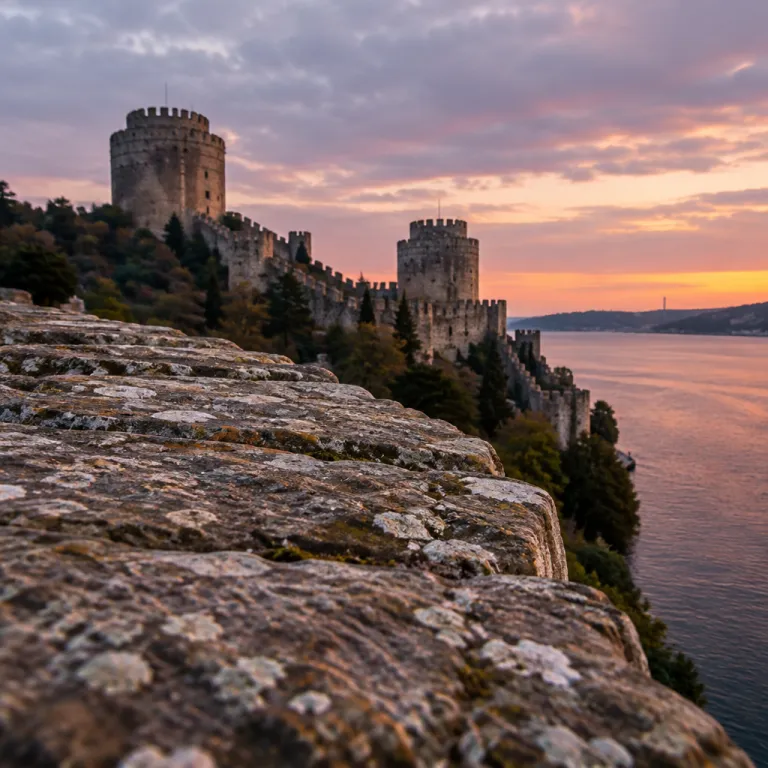
Rumelihisarı fortress at the narrowest point of the Bosphorus
Rumelihisarı rises above the Bosphorus like a stone crown, guarding the tightest crossing between Europe and Asia. This historic fortress in Istanbul stands on the European shore, at the exact constriction of the strait where the waters rush toward the Black Sea. For luxury travelers choosing a premium hotel in Turkey, understanding Rumelihisarı adds depth and meaning to any stay in the city.
The fortress was built by Sultan Mehmed II, known as Fatih Sultan Mehmed, in 1452, just before he reached Constantinople and transformed it into the Ottoman capital. This powerful Ottoman stronghold was carefully positioned where the distance to the Asian shore is about 660 metres. Directly opposite stands the older Anadoluhisarı fortress, creating a historic choke point on the water that once controlled every ship sailing between the Black Sea and the Marmara.
Today, the Rumelihisarı fortress is one of the most atmospheric open air museums in Istanbul, and it rewards visitors who plan their hotel base with care. The complex located on the steep hillside offers sweeping views of the city, the Bosphorus, and the modern Fatih Sultan Mehmet Bridge that now spans the strait. When you walk the ramparts of Rumeli Hisarı, you see how this fortress built by a determined sultan still dominates the section of the Bosphorus where empires once collided.
Many travelers first notice Rumelihisarı while crossing the Mehmet Bridge that links the European and Asian sides of Istanbul. From above, the fortress looks small compared with the modern city, yet its thick walls and towers still tell the story of an ambitious Ottoman bastion Istanbul relied on for control. Choosing a hotel with a Bosphorus view near this strategic crossing allows you to watch ships glide past the same waters that once carried fleets toward Constantinople.
For guests staying in premium properties along the shore, a private transfer to Rumeli Hisarı takes only a short time, especially in the clear light of April when the air is crisp. Many luxury concierges now recommend a morning visit to the fortress complex, followed by a long lunch in nearby cafés overlooking the water. This combination of curated comfort and direct contact with Ottoman and Byzantine history is what makes Istanbul such a compelling city for discerning visitors.
From Byzantine frontier to Ottoman power: why Rumelihisarı matters for luxury stays
Rumelihisarı is more than a picturesque fortress; it is a key to understanding how Constantinople fell and how Istanbul rose. Before the city changed hands, the Bosphorus was the lifeline connecting the Black Sea grain ports with the Byzantine capital. By building Rumeli Hisarı on the European bank and reinforcing the older Anadoluhisarı on the Asian side, the Ottomans created a double-fortress system that controlled every ship reaching Constantinople.
For travelers staying in high end hotels, this layered history turns a simple sightseeing stop into a curated cultural experience. The fortress built by Sultan Mehmed was not only a military structure but also a statement of intent, showing that the Ottoman city would soon replace Byzantine Constantinople as the centre of power in Turkey. When you stand on the walls of this Ottoman stronghold, you can trace the shipping lanes, the palace silhouettes, and the outlines of the modern city that grew from that decisive moment.
Luxury concierges often design private itineraries that link Rumelihisarı with other key Ottoman and Byzantine sites, creating a narrative that runs through the city. A tailored guide Istanbul experience might start at the fortress overlooking the Bosphorus, continue to the historic peninsula, and finish at a waterfront palace hotel. This approach helps guests see how the stronghold Istanbul once depended on is now part of a refined cultural circuit.
Many visitors pair their Istanbul stay with a journey to Cappadocia, where cave suites offer a different expression of Turkish heritage. If you are planning such a combined itinerary, consider exploring cave hotels in Cappadocia for luxury travelers seeking hidden gems to complement your Rumelihisarı experience. The contrast between an ancient stone fortress on the Bosphorus and sculpted cave rooms in central Turkey highlights the diversity of Turkish landscapes and cultures.
Timing your visit can also shape your perception of the fortress and the city. In April, when the weather softens and the Bosphorus breeze is gentle, the ramparts feel almost serene despite their turbulent past. During quieter weekdays, the open spaces within Rumeli Hisarı allow you to appreciate the architecture, the small details in the stonework, and the strategic views without distraction.
Architectural details of Rumelihisarı and nearby palaces for discerning guests
Architecturally, Rumelihisarı is a masterclass in purposeful design, built to dominate the narrowest part of the Bosphorus. The fortress built by Sultan Mehmed consists of three main towers, smaller watchtowers, and thick curtain walls that climb the hillside in a dramatic sequence. From the upper levels, you can see the Black Sea to the north, the Mehmet Bridge overhead, and the dense city of Istanbul stretching southward.
Each tower of this Ottoman fortress has its own character, and walking between them feels like moving through a living museum of military architecture. The largest tower, often associated with Fatih Sultan Mehmed himself, anchors the complex and frames the view toward the older Anadoluhisarı across the water. Between the towers, small courtyards and stairways reveal how the fortress located on this steep terrain had to adapt to the natural contours of the hillside.
For guests who appreciate refined interiors as much as historic stonework, combining a visit to Rumeli Hisarı with a tour of nearby palaces creates a balanced itinerary. On the Asian shore, Beylerbeyi Palace offers an elegant counterpoint to the stark lines of the stronghold Istanbul once relied on for defense. The ornate interiors of this palace, with their chandeliers and painted ceilings, contrast beautifully with the austere walls of Rumelihisarı across the Bosphorus.
Many luxury travelers choose to stay in waterfront properties that echo this blend of history and comfort. For an in depth Bosphorus experience near Rumeli Hisarı, consider the curated selection of unforgettable luxury stays in Turkey as inspiration for how to pair design led hotels with heritage sites. While those properties focus on cave architecture in Cappadocia, the same principle applies in Istanbul, where a carefully chosen hotel can frame your view of the fortress and the city.
From an architectural perspective, Rumeli Hisarı also reflects the transition from Byzantine to Ottoman control of the region. The Bosphorus complex was built by Mehmed in a remarkably short time, reportedly just over four months, using techniques that combined local stone with Ottoman engineering. Observing the masonry, the arrow slits, and the positioning of the towers helps you understand how the sultan turned this small stretch of shoreline into a decisive strategic asset.
Planning a luxury stay near Rumelihisarı: neighborhoods, views, and access
Choosing the right neighborhood is essential if you want Rumelihisarı to be more than a quick photo stop. The fortress located between the districts of Bebek and Baltalimanı sits within one of Istanbul’s most desirable residential stretches. From many premium hotels and serviced residences along this part of the Bosphorus, you can see the Mehmet Bridge, the Black Sea bound shipping lanes, and the silhouette of the fortress itself.
Bebek, just south of Rumelihisarı, is particularly appealing for travelers who value both style and substance. Its waterfront promenade, lined with cafés and small restaurants, offers relaxed views of the section of the Bosphorus where Rumeli Hisarı and the older Anadoluhisarı face each other. For curated accommodation options in this area, you can explore elegant Bebek hotel stays on the Bosphorus that place you within a short drive of the fortress.
Access to Rumelihisarı from these neighborhoods is straightforward, and many luxury hotels can arrange private cars or even yacht transfers. Arriving by water allows you to appreciate how the stronghold Istanbul once feared from the sea still commands the constricted channel. As you glide past, the walls of the Ottoman fortress rise above you, and the city unfolds behind them in layers of palaces, museums, and modern towers.
When planning your stay, consider how often you want to engage with the historic side of the city versus its contemporary energy. A hotel near Rumeli Hisarı offers quick access to the Bosphorus area, Beylerbeyi Palace across the water, and the lively streets of the nearby city districts. From here, reaching Constantinople’s old core, now the historic peninsula of Istanbul, takes a manageable drive, especially outside peak traffic hours.
Seasonality also matters, particularly for guests sensitive to crowds and climate. In April and late spring, the weather along the Bosphorus is usually mild, and the small streets around Rumelihisarı feel pleasantly active without being overwhelming. During these months, you can comfortably combine fortress visits, palace tours, and leisurely waterfront walks before returning to the calm of your luxury hotel.
Curated cultural experiences: museums, palaces, and Rumelihisarı by day and night
Rumelihisarı functions today as an open air museum, and its setting makes it one of the most atmospheric cultural venues in Turkey. While the fortress itself is not a traditional museum with extensive indoor galleries, the site is often included in broader museum passes and curated cultural routes. For travelers who value context, pairing a visit to this Ottoman fortress with nearby museums in Istanbul creates a richer understanding of the city.
Within a short drive of Rumelihisarı, you can reach several important museums that trace the story from Byzantine Constantinople to Ottoman Istanbul. Many private guide Istanbul services design full day itineraries that start at the fortress on the Bosphorus, continue to palace complexes, and finish at archaeological or art museums in the city centre. This structure allows you to see how the fortress built by Sultan Mehmed fits into a wider narrative of empire, trade, and cultural exchange.
Palaces play a central role in these curated experiences, especially for guests staying in luxury hotels that echo their grandeur. Beylerbeyi Palace on the Asian shore, visible from Rumeli Hisarı, offers guided tours that reveal how Ottoman sultans balanced ceremonial life with private retreat. From its waterfront terraces, you can look back toward the stronghold Istanbul once used as a military tool and appreciate how the same narrow crossing later became a stage for diplomacy and leisure.
Evening experiences around Rumelihisarı can be particularly memorable for premium travelers. Some high end operators arrange private Bosphorus cruises that pass the fortress at sunset, when the walls glow softly and the Mehmet Bridge lights begin to shimmer above. From the deck, you see the small fishing boats, the city skyline, and the outline of the Ottoman fortress against the darkening sky, creating a layered view of Istanbul’s past and present.
For those who enjoy quieter cultural moments, visiting in April or during shoulder seasons can make the fortress and nearby museums feel almost intimate. The reduced crowds allow you to linger on the ramparts, trace the line toward the Black Sea, and imagine the fleets that once sailed toward Constantinople. Returning afterward to a refined hotel lounge or palace inspired spa completes a day that balances historical immersion with contemporary comfort.
Designing a Turkey itinerary that connects Rumelihisarı with other hidden gems
Rumelihisarı is a powerful anchor for a wider Turkey itinerary that blends iconic sights with lesser known treasures. Many luxury travelers now seek hidden gems that feel authentic yet still align with premium standards of comfort and service. By using the fortress overlooking the narrowest part of the Bosphorus as a starting reference, you can design routes that connect Istanbul with other regions in a coherent way.
One popular approach links Rumeli Hisarı with the cave landscapes of Cappadocia, where stone carved suites reinterpret traditional Turkish architecture. For this leg of your journey, curated options such as Cappadocia cave hotel stays for luxury travelers can complement the fortress experience with a different kind of immersion. The contrast between an Ottoman stronghold Istanbul once relied on and the organic forms of cave dwellings in central Turkey highlights the country’s geographic and cultural diversity.
Within Istanbul itself, you can extend the Rumelihisarı theme by exploring smaller, less visited sites that still relate to the Bosphorus and the city’s defensive history. Walking paths along the shoreline reveal viewpoints where you can see both the older Anadoluhisarı and the Rumelihisarı fortress in a single frame, with the Mehmet Bridge arching above. These perspectives help you understand how the sultan used the constricted waterway to control access from the Black Sea and secure the approach to Constantinople.
For travelers who appreciate narrative driven journeys, it helps to think of your Turkey trip as a story in three acts. The first act unfolds at Rumeli Hisarı and the surrounding city districts, where Ottoman and Byzantine layers meet along the water. The second act might take you inland to Cappadocia or other regions, while the third act returns you to Istanbul’s palaces, museums, and waterfront neighborhoods for a final, refined chapter.
Throughout this process, a knowledgeable guide Istanbul specialist or a well connected hotel concierge can be invaluable. They can coordinate private transfers, secure timed entries to busy museums, and suggest small restaurants near the Bosphorus area that match your preferences. With their support, Rumelihisarı becomes not just a single stop but a thematic thread running through your entire Turkish journey.
Practical tips for visiting Rumelihisarı from a luxury hotel base
Visiting Rumelihisarı from a luxury or premium hotel in Istanbul is straightforward when you plan with a few key details in mind. The fortress located on the European shore is best reached by private car or arranged transfer, especially if you want to avoid navigating steep streets on your own. Many high end hotels along the Bosphorus or in central city districts offer concierge services that can coordinate these logistics seamlessly.
Timing your visit can significantly shape your experience of this Ottoman fortress. Early mornings, particularly in April and during shoulder seasons, often provide softer light, cooler temperatures, and fewer visitors on the ramparts. From the walls, you can watch ships heading toward the Black Sea, see the older Anadoluhisarı across the water, and appreciate how the fortress built by Sultan Mehmed still frames this crucial stretch of the Bosphorus.
Footwear and mobility are practical considerations, even for guests arriving in comfort. The interior of Rumeli Hisarı includes steep stairways, uneven stone surfaces, and small passages that reflect its original defensive purpose. If you plan to explore fully, including the higher viewpoints of the stronghold Istanbul once used as a lookout, choose supportive shoes and be prepared for some climbing.
Combining Rumelihisarı with nearby attractions can make efficient use of your time in the city. A typical half day itinerary might include the fortress complex, a leisurely waterfront walk, and a visit to Beylerbeyi Palace across the strait, reached by car via the Mehmet Bridge. This route allows you to see how the sultan’s military architecture and palace life coexisted along the same dramatic waterway.
Finally, consider how Rumeli Hisarı fits into your broader sense of Istanbul and Turkey. For many travelers, standing on the walls of this fortress and looking toward Constantinople’s historic peninsula crystallizes the city’s unique position between continents and eras. Returning afterward to a refined hotel suite, with views of the city lights and the dark ribbon of the Bosphorus, completes an experience that is both historically grounded and unmistakably luxurious.
Key figures and travel statistics related to Rumelihisarı and Istanbul
- According to the Turkish Ministry of Culture and Tourism, Istanbul welcomed about 16 million international visitors in 2019, making it one of the most visited cities worldwide and increasing demand for luxury stays near landmarks such as Rumelihisarı.
- The Bosphorus at Rumeli Hisarı measures roughly 660 metres across, which is the narrowest point of the strait and explains why the fortress was built there to control maritime traffic between the Black Sea and the Sea of Marmara.
- Data from Istanbul’s tourism authorities indicate that cultural and heritage tourism accounts for more than 40% of visitor motivations, highlighting the importance of sites like Ottoman fortresses, palaces, and museums in shaping premium travel itineraries.
- Passenger statistics from Istanbul’s airports show a steady rise in long haul arrivals from Europe, the Gulf, and North America over the last decade, supporting the growth of high end hotels along the Bosphorus within easy reach of Rumelihisarı.
- Surveys by international hospitality consultancies report that more than half of luxury travelers in Turkey now request customized cultural experiences, such as private guided visits to Rumeli Hisarı, Beylerbeyi Palace, and other heritage sites.
FAQ about Rumelihisarı and luxury stays in Istanbul
Is Rumelihisarı worth visiting if I am staying in a luxury hotel?
Rumelihisarı is absolutely worthwhile, even for travelers based in high end hotels, because it offers unmatched views of the Bosphorus and a direct connection to the story of how Constantinople became Istanbul. The fortress provides a powerful contrast to the comfort of a luxury stay, adding historical depth to your trip. Many premium concierges now include it as a core stop in curated city itineraries.
How long should I plan for a visit to Rumelihisarı?
Most visitors should allow between one and two hours to explore Rumeli Hisarı at a relaxed pace. This timeframe lets you walk the walls, enjoy the views toward the Black Sea and the Mehmet Bridge, and take photographs without rushing. If you combine the visit with nearby cafés or a Bosphorus walk, plan for a half day in the area.
What is the best time of day and season to visit Rumelihisarı?
Mornings generally offer softer light, cooler temperatures, and fewer crowds, which is ideal for photography and quiet exploration. April and the broader spring period are especially pleasant along the Bosphorus, with mild weather and clear visibility. Early autumn can also be attractive, with comfortable temperatures and a calmer atmosphere around the fortress.
Can I visit Rumelihisarı with limited mobility?
Rumelihisarı includes steep stairs, uneven stone paths, and elevated viewpoints, which can be challenging for visitors with limited mobility. While some lower areas and courtyards may be accessible, the full experience of the fortress, including the ramparts, requires confident walking and climbing. Guests with mobility concerns should consult their hotel concierge or a guide Istanbul specialist to assess suitability and arrange support.
How can I combine Rumelihisarı with other cultural sites in Istanbul?
A popular combination pairs Rumeli Hisarı with Beylerbeyi Palace, other Bosphorus side palaces, and central museums on the historic peninsula. Many travelers arrange a private car or boat transfer that links the fortress, palace visits, and selected museums into a single curated day. This approach creates a coherent narrative that connects Ottoman military power, royal life, and the broader history of the city.