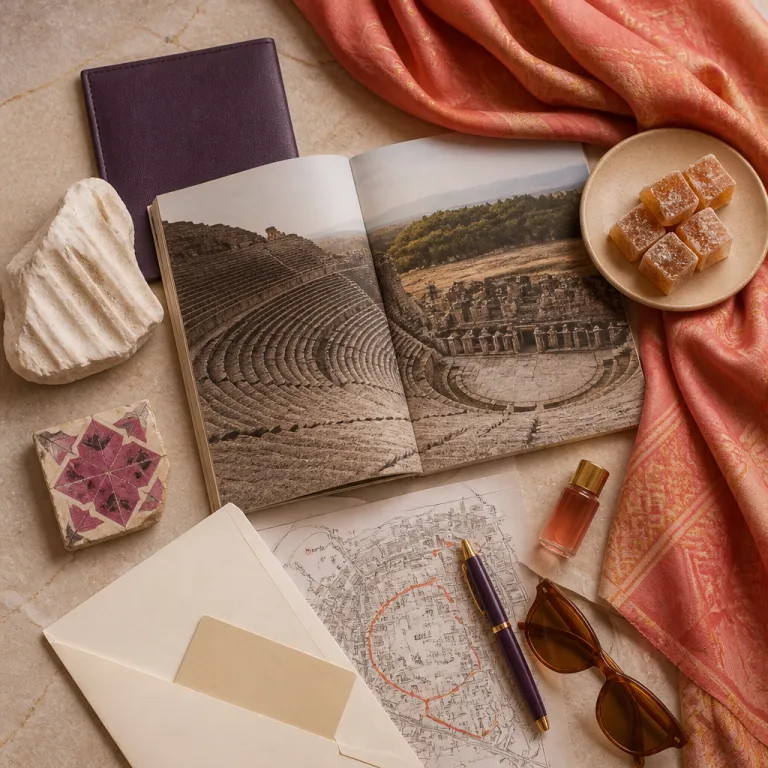
Why Ephesus theatre in Turkey belongs on a luxury traveller’s map
Ephesus theatre in Turkey is not only an archaeological icon, it is a stage where luxury travellers can weave culture into a refined Aegean escape. The ancient amphitheatre carved into the slope of Mount Panayır once seated around 24,000 spectators according to capacity estimates cited by the Turkish Ministry of Culture and Tourism and the Ephesus Foundation, and today it anchors high end itineraries that pair heritage with premium stays along the coast. When your hotel concierge arranges a private transfer from İzmir, the road to the ancient city already feels like part of the performance.
The ancient theater at the heart of the city Ephesus was first shaped in the Hellenistic century, then expanded during the Roman period into the grand theater visitors admire today. This evolution from a Hellenistic theatre to a Roman great theater mirrors the way modern Ephesus tours now blend classical history with contemporary comfort. Luxury travellers often combine an Ephesus tour with curated wine tastings in nearby villages, turning a day among ruins into a full sensory journey through Ephesus’s ancient landscapes.
For guests booking premium hotels in İzmir or on the Aegean coast of Turkey, great access to Ephesus theatre Turkey is a decisive advantage. High end properties understand that the ancient city is their strongest cultural asset, so many now offer tailored Ephesus tours with expert guides and flexible timings that open doors before the main crowds arrive. When a hotel team secures a knowledgeable archaeologist for your private tour of theatre Ephesus, the stones of this ancient Greek and Roman stage begin to speak directly to you; one guide might pause on the orchestra floor and quietly demonstrate how a single word still carries to the top rows.
From İzmir suites to the ancient city : how to plan an elegant day at the theatre
Most luxury travellers reach Ephesus theatre Turkey from İzmir, where five star hotels provide a polished base with easy highway access. The drive from central İzmir to the Ephesus archaeological site usually takes around one hour, and private chauffeurs arranged through your hotel ensure a smooth, air conditioned journey to the ancient city gates. This door to door comfort matters when you plan to walk several kilometres among ruins under the Aegean sun.
Once your driver drops you at the Ephesus archaeological entrance, the scale of the ancient city Ephesus quickly becomes clear. Marble streets lead past temples and civic buildings toward the great theater, which rises about 30 metres above the old harbour road in a sweeping semicircle. Because the site covers a large area, wearing comfortable shoes and carrying water is essential, especially if your Ephesus tour also includes the upper city terraces and the former harbour district.
Many premium travellers pair their Ephesus tour with a second day focused on wellness, often heading inland to thermal landscapes such as those described in a dedicated thermal itinerary for slow travellers. This combination of cultural immersion at theatre Ephesus and restorative spa time elsewhere in Turkey creates a balanced, high value itinerary. When your hotel concierge coordinates both the ancient theater visit and the spa reservations, the logistics fade and the narrative of your trip becomes beautifully coherent.
Inside Ephesus theatre : what luxury travellers should notice on site
Standing on the stage of Ephesus theatre Turkey, you immediately sense why ancient Greek architects chose this slope of Mount Panayır. The theatre’s acoustic design uses the natural hillside to project sound, and even a soft voice can carry up toward the highest rows of the grand theater. This technical mastery is one reason many international travellers now request specialist guides who can explain both the engineering and the social life of the ancient city.
The structure you see today reflects layers of history, from the original Hellenistic theatre to the later Roman period expansions under emperors such as Claudius and Nero, with further works in the time of Trajan as outlined in academic surveys of Ephesus and site reports referenced by the Ephesus Museum. These phases transformed a modest ancient Greek performance space into a great theatre capable of hosting gladiator games, political assemblies and religious ceremonies for the entire Greek city. When a knowledgeable guide points out the different stonework styles, the evolution from theatre Ephesus in its early form to the monumental Ephesus theater of the Roman era becomes tangible.
Premium travellers often appreciate curated experiences that open the site in more intimate ways, such as early access visits or small group Ephesus tours timed for golden hour light over the harbour road. Many high end hotels in western Turkey now specialise in such curated cultural stays, applying standards similar to those described in elegant guides to top hotels in Cappadocia, and these expectations increasingly shape services around Ephesus ancient sites. When these hospitality practices reach Ephesus İzmir itineraries, the ancient theater becomes not just a stop on a tour, but the emotional centrepiece of a refined journey through Turkey.
Hidden gems around the great theater : quiet corners for discerning guests
Most visitors focus on the main bowl of Ephesus theatre Turkey, yet luxury travellers often seek quieter angles that reveal the site’s subtler stories. One such hidden gem lies behind the upper seating tiers, where remnants of corridors and stairways show how crowds once flowed in and out of the great theater. Exploring these less crowded paths with a private guide during an Ephesus tour can feel almost like having a backstage pass to an ancient performance.
Another refined perspective comes from walking the ancient harbour street that stretches from the theatre toward what was once the city’s busy port. In the Roman period this route linked the grand theater to the waterfront, and today it offers a long, photogenic axis framed by columns and distant hills. When the late afternoon light falls along this line, the connection between the ancient theater and the commercial life of the Greek city becomes strikingly clear.
For travellers who value tranquillity, the uppermost rows of theatre Ephesus often remain relatively calm even when tour groups fill the lower seats. From here you gain a sweeping view over the city Ephesus ruins, the former harbour basin and the surrounding Aegean countryside of Turkey. Many guests staying in premium coastal resorts comment that this elevated vantage point, away from the main crowds, feels like a private loge in an open air grand theater carved from stone.
Designing a premium itinerary : pairing Ephesus with Turkey’s chic coastal stays
For many high end travellers, the question is not whether to visit Ephesus theatre Turkey, but how to frame it within a broader luxury journey. One elegant approach is to base yourself in a refined Aegean resort town, using the ancient city as a cultural day trip from a seaside retreat. This model allows you to enjoy the theatre’s classical drama by day, then return to a calm harbour view suite and contemporary Turkish cuisine by night.
The coastal region around İzmir offers several such bases, from Çeşme to Alaçatı, where stylish hotels pair well with curated Ephesus tours. An in depth feature on how this area evolved into a chic address, often described as Turkey’s chicest Aegean pocket, shows why many international guests now combine beach time with an Ephesus tour. When your concierge arranges a private car that opens a seamless route from your sun lounger to the ancient theater, the contrast between modern leisure and classical heritage becomes part of the trip’s charm.
Some travellers extend this concept further by linking Ephesus ancient sites with inland cultural hubs and other regions of Turkey great interest, such as Cappadocia or the thermal landscapes of the interior. In these itineraries, the theatre Ephesus often serves as the most theatrical stop, balancing the quieter pleasures of wine estates or spa resorts. The key is to work with a hotel or specialist agency that understands both the logistics of the Ephesus archaeological area and the expectations of guests who value time, comfort and narrative coherence.
Practical elegance : timings, tickets and comfort at Ephesus theatre
Thoughtful planning can transform a standard visit to Ephesus theatre Turkey into a smooth, elegant experience that respects both your comfort and the site’s heritage. Arriving early in the morning usually means gentler temperatures and fewer crowds in the ancient theater, which is especially valuable if you wish to linger on the upper tiers. Many luxury hotels can pre arrange tickets and a licensed guide, so your Ephesus tour begins without queuing at the entrance.
Within the Ephesus archaeological zone, paths can be uneven and sometimes steep, particularly around the great theater and the climb toward the upper city. Wearing supportive footwear and carrying water is essential, even for guests accustomed to short urban walks rather than longer ancient city explorations. Some premium operators now include light refreshments and shaded rest stops in their Ephesus tours, a small but meaningful touch that keeps the focus on the theatre’s atmosphere rather than on fatigue.
Visitors often ask about access and whether parts of theatre Ephesus are free to roam or restricted, and policies can change as restoration progresses. Ongoing archaeological work aims to stabilise the grand theater’s stone seating and preserve details from both the Hellenistic and Roman period phases, so certain sections may close temporarily. For the latest information on opening hours, ticket options and licensed private guides, travellers can consult the official Ephesus pages of the Turkish Ministry of Culture and Tourism or ask their hotel concierge to check current details, helping you plan a route that balances safety, comfort and the most evocative viewpoints.
Key figures and architectural highlights of Ephesus theatre
- The main theater at the Ephesus archaeological site is built into the slope of Mount Panayır and could seat around 24,000 people, making it one of the largest ancient theaters in Asia Minor according to figures cited by the Turkish Ministry of Culture and Tourism and the Ephesus Foundation.
- The diameter of the great theater’s semicircular seating area is about 145 metres, while the height from the lowest to the highest row is roughly 30 metres, figures reported in specialist Ephesus travel resources and archaeological surveys summarised by the Ephesus Museum.
- Construction of the original Hellenistic theatre began in the 3rd century BC, and major Roman period expansions in the 1st century AD transformed it into the monumental grand theater visible today.
- The theater’s design served multiple functions, hosting dramatic performances, public assemblies, religious ceremonies and later gladiator fights, which underlines its central role in the civic life of the ancient city.
- Archaeologists continue to work on stabilisation and restoration projects at theatre Ephesus, ensuring that both international visitors and local communities can safely experience this key monument in western Turkey.
FAQ about Ephesus theatre in Turkey
What is the Ephesus theatre and where is it located ?
The Ephesus theatre is an ancient theater carved into the slope of Mount Panayır within the Ephesus archaeological site in western Turkey. It stands near the end of the old harbour street, forming a focal point of the ancient city’s public life. Modern visitors usually reach it via day trips from İzmir or nearby Aegean resorts.
When was Ephesus theatre built and how did it evolve ?
Initial construction of the theatre began in the 3rd century BC during the Hellenistic period, using the natural hillside to create a semicircular seating bowl. In the 1st century AD, Roman engineers expanded and heightened the structure, turning it into a large grand theater with new stage buildings and additional rows. Later repairs followed earthquake damage, and by the early medieval era parts of the structure were incorporated into city defences.
What events took place in the ancient theater of Ephesus ?
The Ephesus theater hosted classical Greek style dramas, musical performances and public assemblies that addressed the citizens of the Greek city. Over time, especially in the Roman period, the programme expanded to include religious ceremonies and gladiator fights that drew large crowds. This mix of cultural, political and entertainment functions explains why the great theater occupied such a prominent position in the city Ephesus layout.
Is Ephesus theatre still used for performances today ?
Today the theatre functions primarily as a historical monument within the Ephesus archaeological park, welcoming international visitors on guided and self guided tours. Occasional cultural events have been held there, but large scale performances are limited to protect the ancient stonework and ongoing restoration efforts. Most travellers experience the space by walking through the seating tiers, standing on the stage and appreciating the acoustics that once served tens of thousands of spectators.
How should luxury travellers plan a comfortable visit to Ephesus theatre ?
Guests staying in premium hotels in İzmir or along the Aegean coast usually arrange private transfers and licensed guides through their concierge, which simplifies logistics and timing. Visiting early in the day, wearing comfortable shoes and carrying water helps maintain comfort while exploring the extensive ancient city and climbing the theatre’s steps. Many high end properties can also coordinate combined itineraries that link Ephesus tours with spa stays, wine tastings or coastal retreats elsewhere in Turkey, creating a balanced and refined journey.
Trusted references for further reading
- Sacred Destinations – detailed overview of Ephesus theater and its architectural features.
- Ephesus Turkey official tourism resources – practical visitor information and site maps.
- Turkish Ministry of Culture and Tourism – updates on archaeological work and preservation policies at Ephesus.